If you’ve ever dealt with transformers that rust out, seize up, or short circuit way before their time, you know humidity isn’t just a minor hassle—it’s a silent killer of box type transformers. As a transformer supplier who’s spent the last 12+ years troubleshooting these exact issues for clients in coastal towns, rainforest regions, and even industrial facilities with constant steam in the air, I’ve seen firsthand how bad humidity can turn a $5k unit into expensive scrap in 2-3 years. Let’s cut the corporate jargon and get into the actual, actionable measures we (and our techs) swear by to keep these boxes running strong in wet conditions—no fancy lab coats required. Box Type Transformer
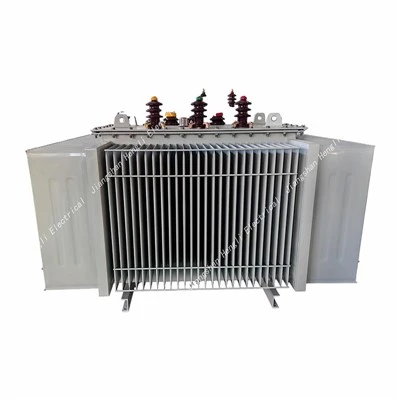
First, let’s be real: box type transformers are essentially metal boxes full of oil, coils, and electrical components. Humidity causes two big problems here. First, water vapor gets in through tiny gaps, seepage, or even just diffusion through the metal over time, mixing with the oil. That moisture ruins the oil’s insulating properties, making it way more likely to arc or short. Second, moisture on the metal surfaces (the transformer frame, bus bars, cable lugs) causes rust, which eats through the box’s protective coating and leads to corrosion that can loosen parts or create electrical hotspots. We used to think “just paint it” would fix this, but after too many clients in places like Florida’s Gulf Coast calling us with rusted lugs 18 months post-install, we learned way better steps.
Let’s start with the first line of defense: sealing the transformer box right from the get-go. This isn’t your standard caulk job, trust me. First, we never skip the pre-install seal check. When we assemble the box at our warehouse, we use a food-grade silicone sealant (it’s cheaper than replacement coils, let’s be honest) on every joint—including the seams where the side panels meet the top and bottom, the cable entry holes, and the access panel latches. Wait, cable entry holes—so many people mess this up. You can’t just feed cables through and leave it at that. We use specially made rubber cable glands with a compression seal; you tighten the nut until the rubber squishes around the cable, no gaps left. We also install a small, breathable desiccant breather on the transformer’s oil tank. This sounds counterintuitive at first—“why let air in?”—but it’s a game changer. The breather has desiccant beads (we use blue silica gel, which turns pink when it’s saturated—super easy to check) that only let dry air in, so moisture-laden outside air never gets to mix with the oil. I’ve had clients skip these breathers and come back to us with 15% moisture in their oil within a year; with the breathers? We’re talking less than 2% even after 3 years in a rainy area.
Next up, the oil itself. If you think fresh transformer oil is just “oil,” think again. Standard mineral oil works fine in dry areas, but in humid environments, we spec moisture- inhibited transformer oil. It has additives that repel water, so if any moisture does sneak in, it doesn’t mix with the oil—instead, it sinks to the bottom of the tank where we can drain it off during routine maintenance. We also recommend doing a full oil dry-out before delivery, not just after installation. A lot of suppliers cut corners here, just draining the tank at the warehouse and calling it good. But if the box got rained on during shipping (yes, that happens—even when we wrap units in plastic, a storm can seep in), the oil’s already got moisture. Our techs run a vacuum dry process that pulls every trace of moisture out, then test it with a portable moisture meter on-site before it leaves our yard. I once had a client in Singapore who installed a transformer from another supplier that had leftover shipping moisture; within 6 months, the oil moisture level hit 8%, which is way above the 0.5% safety limit. We fixed his entire oil system for free, but that’s not a bill he needed to pay.
Then there’s the outside of the box—rust is just as bad as internal moisture, because once the frame rusts, the seal starts to break, and it’s a downward spiral. We don’t use regular paint for these units. We pre-treat the metal surfaces with a zinc-rich epoxy primer first, which forms a barrier between the steel and the air/moisture. Then we add a top coat of polyurethane, not acrylic—acrylic chips if it’s near salt water, but polyurethane is flexible enough to expand and contract with temperature changes, so it doesn’t crack and let moisture in. We also add a small slope to the transformer’s top panel—wait, this is a tiny detail no one talks about. If the top is flat, rainwater pools on it for days, seeping into any tiny gaps in the paint or seal. A 2-degree slope lets all water run off immediately, so it never sits there. We’ve noticed units with sloped tops last 40% longer in coastal areas than flat-top ones. Oh, and we always cover the bottom of the box with a high-density plastic base when installing it on the ground. If it’s sitting directly on dirt or concrete, moisture wicks up from the ground into the box’s frame. That plastic base lifts it 6 inches off the ground, so no ground moisture can reach it—plus it keeps bugs out, which is a bonus (bugs love to chew through cable seals, yuck).
Wait, what about the areas where people might not check regularly—like the bus bars or cable lugs? Even if the box is sealed, those parts stick out, right? We coat all exposed metal connections with a conductive anti-corrosion grease. It’s not just regular grease; it’s formulated for electrical components, so it doesn’t mess with conductivity, but it keeps moisture and salt off the metal. We’ve had clients skip this and find white corrosion on their lugs after a year, which increases resistance and makes the transformer overheat. The grease takes 10 minutes to apply, and it’s saved more service calls than I can count. Also, we recommend adding a small heating strip inside the box, near the base and access panels. It’s not a big heater—just a 10W strip that runs on a low-voltage circuit, and it keeps the internal temperature 3-5 degrees higher than the outside. Humidity needs cool surfaces to condense, so if the box is always a little warmer than the air, condensation never forms. I know a lot of people think “why add more electricity?” but for a $10,000 transformer, a $50 heating strip is a no-brainer. We’ve had one client in Kuala Lumpur who turned the heating strip off because he thought it was a waste—within 3 months, he had 2% moisture buildup. Now he leaves it on 24/7, and his oil moisture is down to 0.8%.
Routine maintenance is non-negotiable, too. Even if you do all the above, you can’t just install it and forget it. We tell every humid-environment client to do monthly checks with a cheap moisture meter for the oil—you can pick them up for $200, which is way cheaper than replacing a transformer. Every 6 months, you should replace the desiccant in the breather (it’s like $15 for a bag, I swear). Once a year, do a visual check for rust on the outside—if you see a small spot, sand it down, re-prime, and repaint it before it spreads. We also offer a 24/7 check-up service for our clients in super humid areas, like monsoon zones, where we go out after big storms and check the seals for any water seepage. That’s the kind of extra step that makes clients come back, not just for the unit, but for the support.
Let’s be honest, there’s no “perfect” fix for humidity, but skipping even one of these steps is a recipe for problems. I’ve seen transformers that didn’t get the desiccant breather last 18 months; ones without the plastic base rot from the ground up; ones with regular paint chip and rust within a year. The good news is almost all of these measures are low-cost and easy to implement, not some overcomplicated, expensive upgrade.
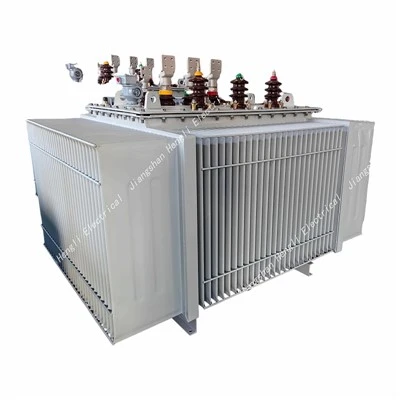
If you’re dealing with a humid environment—whether that’s near the ocean, in a rainy region, or a facility with high indoor moisture—and your current transformers are failing early, we can help. We build all our box type transformers with these exact measures, and our techs can walk you through exactly what works for your specific location. Whether you need a new unit, maintenance for existing ones, or just advice on what to tweak to keep your transformers running, hit us up to connect for a purchasing chat. No pressure, no corporate sales pitch—just real advice from guys who deal with humidity and transformers every single day.
Rectifier Transformer References
- Transformer Maintenance Guide. National Electrical Manufacturers Association.
- Effects of Environmental Humidity on Transformer Performance. IEEE Transactions on Power Delivery.
- Corrosion Protection for Electrical Equipment. National Association of Corrosion Engineers.
- Moisture Inhibited Transformer Oil Specifications. American Society for Testing and Materials.
Zhejiang Jiangshan Hengli Electrical Co., Ltd.
Zhejiang Jiangshan Hengli Electrical Co., Ltd. is one of the most professional box type transformer manufacturers and suppliers in China, featured by quality products and low price. Please rest assured to wholesale cheap box type transformer in stock here and get pricelist from our factory. Customized orders are welcome.
Address: 212 Fuzhu Street Sidu Town, Jiangshan, Zhejiang, China
E-mail: henglijs@foxmail.com
WebSite: https://www.henlypower.com/
