If you’ve ever stopped to look at the cables running along overhead utility poles, snaking through underground conduits, or tucked inside the walls of a new office building, you might not think twice about what makes those cables hold up for decades in harsh conditions. But for cable manufacturers, the difference between a cable that lasts 10 years and one that lasts 40 often comes down to the material used for its outer jacket or insulation. That’s where FRPP cable compound steps in—and as someone who’s been supplying this specialized material to cable makers for 12 years, I’ve seen first-hand how it solves problems no other standard cable compound can. FRPP Cable Compounds
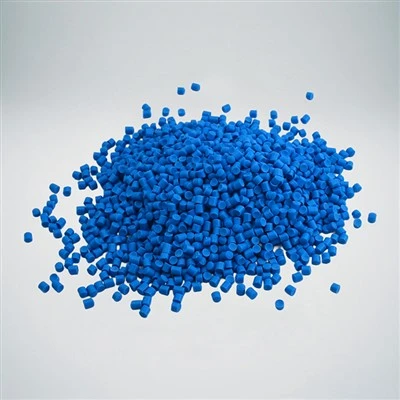
First, let’s clear up what FRPP actually stands for. It’s Flame-Retardant Polypropylene, a modified version of regular polypropylene that’s been engineered to meet strict fire safety standards, plus fortified with additives to improve mechanical and thermal performance. A lot of people mix it up with other flame-retardant materials like PVC, but FRPP has a unique set of properties that make it irreplaceable in specific cable applications. Let’s break down its uses, because that’s the part that actually matters when you’re deciding what material to use for your next cable project.
One of the biggest uses for FRPP cable compound is in low-voltage power cables for residential and commercial wiring. When you’re running cables inside a home or office building, fire safety is non-negotiable. Standard polypropylene is flammable, so without flame retardants, a stray spark from an electrical fault could turn into a full-blown fire. But FRPP doesn’t just resist burning—it self-extinguishes once the heat source is removed, which is a critical requirement in building codes around the world. Unlike PVC, which can release toxic fumes when it burns, FRPP’s flame-retardant additives are formulated to minimize smoke and toxic gas output, which is a huge benefit for enclosed spaces like hallways, elevator shafts, and server rooms where people might be trapped during a fire. I’ve had a number of electrical contractors come to me after struggling with PVC cables that failed fire safety tests in commercial building inspections; switching to FRPP solved that issue overnight for them.
Another key application is in outdoor telecommunications cables. These cables sit exposed to the elements 24/7—sweltering summer heat, freezing winter cold, UV radiation from the sun, and constant moisture from rain, snow, or humidity. Regular polypropylene can degrade quickly when exposed to UV rays, becoming brittle and cracking within a few years. FRPP, though, is formulated with UV stabilizers that block the sun’s harmful radiation, so it maintains its flexibility and structural integrity for decades. It also has excellent resistance to moisture and most chemicals, so it won’t break down if it’s accidentally exposed to road salt, agricultural fertilizers, or common industrial chemicals that leach into underground conduits. Last year, a telecom provider in the Midwest contacted me because their outdoor fiber optic cables were failing prematurely due to UV damage; after switching to FRPP jacketing, they reported zero failures in the 18 months since, which is unheard of for their old cable.
Industrial cables are another major area where FRPP cable compound shines. Factory floors are tough environments: cables are often dragged across concrete, bent around heavy machinery, exposed to high heat from boilers or furnaces, and occasionally splashed with oils or solvents. FRPP has high tensile strength and impact resistance, so it can withstand the rough handling that industrial cables get. It also has a high melting point—around 160°C, depending on the grade—so it won’t soften or deform when it’s near hot equipment. For applications in mining or heavy manufacturing, where cables might be used in areas with potential explosive atmospheres, FRPP’s flame-retardant properties are especially important to prevent fires that could cause catastrophic damage. I work with a few mining equipment manufacturers who use FRPP for their machine control cables; they tell me it’s outlasted every other material they’ve tried, including cross-linked polyethylene (XLPE) and PVC.
Wait, let’s also talk about medium-voltage power cables, which are used to distribute electricity from substations to neighborhoods. These cables need to balance electrical insulation performance with durability, and FRPP checks both boxes. It has excellent dielectric strength, meaning it can withstand high voltages without breaking down, which is critical for preventing electrical faults that cause outages. It’s also lighter than many other insulation materials, which makes installation easier and reduces transportation costs for utility companies. A lot of utilities used to rely on XLPE for medium-voltage cables, but more and more are switching to FRPP because it’s more cost-effective, has better fire safety, and works well in both overhead and underground installations.
Now, I should mention that not all FRPP cable compounds are the same. That’s a big mistake a lot of new cable manufacturers make—they buy the cheapest FRPP they can find, only to end up with cables that fail in the field. Some suppliers cut corners on flame retardants or UV stabilizers to lower cost, which undermines the entire purpose of the material. When I work with a new client, I start by asking them about their specific application: where will the cable be used? What temperature extremes will it face? What fire safety standards do they need to meet? Do they need resistance to specific chemicals or abrasion? That helps me recommend the right grade of FRPP—some are optimized for indoor wiring, others for outdoor telecom, others for industrial heavy-duty use. For example, we have a low-smoke zero-halogen (LSZH) FRPP compound that’s perfect for data centers, where even small amounts of toxic fumes during a fire can be deadly for server hardware and personnel.
I’ve also seen FRPP used in specialized applications, like subsea cables and automotive wiring. Subsea cables need to withstand constant water pressure, saltwater corrosion, and extreme cold at the bottom of oceans. FRPP’s moisture resistance and chemical stability make it a good choice for the outer jacket of these cables, protecting the fiber optics or power conductors inside from seawater damage. In the automotive industry, where weight reduction is a big focus for improving fuel efficiency and electric vehicle range, FRPP is lighter than traditional insulation materials like rubber, and it can handle the high temperatures under the hood that come with electric vehicle batteries and powertrain components.
But let’s be honest: FRPP isn’t the right choice for every cable. For example, very high-voltage power cables (above 35 kV) often use XLPE insulation because it has even higher dielectric strength. PVC is still cheaper for low-voltage residential wiring in some regions where fire codes are less strict, though that’s changing as more areas adopt stricter safety standards. The key is matching the compound to the application, not just going with the most popular material. That’s where a good supplier like me comes in—we don’t just sell a generic FRPP compound; we work with our clients to customize the material to their specific needs, whether that’s adding more impact resistance for industrial cables, adjusting the flame retardancy for indoor use, or modifying the melt flow rate for easier extrusion during manufacturing.
I’ve been in this industry for long enough to know that cable manufacturers care about two main things: performance and cost. FRPP delivers on both. It might cost a little more than standard polypropylene or basic PVC, but the long-term savings are huge. Cables made with FRPP last longer, need fewer replacements, and meet stricter safety standards that help manufacturers pass inspections and win more contracts. I’ve had clients tell me that switching to FRPP increased their product’s lifespan by 15 to 20 years, which more than pays for the extra material cost.
Another thing I always emphasize to new clients is the consistency of FRPP cable compound. Unlike some specialty materials that have uneven properties batch to batch, we test every batch of our FRPP to make sure it meets our strict specifications for flame retardancy, tensile strength, UV resistance, and thermal stability. That consistency is critical for cable manufacturers, because even a small variation in the material can lead to batches of cables failing in the field, which costs them time and money. We also provide clients with full test data for every batch, so they can ensure their final products meet all local and international standards, like UL 94 for flammability, IEC 60332 for fire testing, and RoHS for environmental regulations.
Let me share a recent example that stuck with me. A small cable manufacturer in Texas had been making outdoor control cables for agricultural equipment, and they were having a problem with the cables cracking after two or three years in the sun. They tried adding their own UV stabilizers to standard polypropylene, but it didn’t work, and it made the material too brittle in cold weather. We worked with them to develop a custom FRPP compound with balanced UV stabilizers and impact modifiers that maintained flexibility from -40°C to 85°C, and resisted cracking after 5 years of outdoor exposure. They switched to our compound, and now their cable line is their best-selling product, with zero field failures in the 2 years since we started supplying them. That’s the kind of impact FRPP has— it’s not just a material, it’s a solution to a real problem that manufacturers and end-users face.
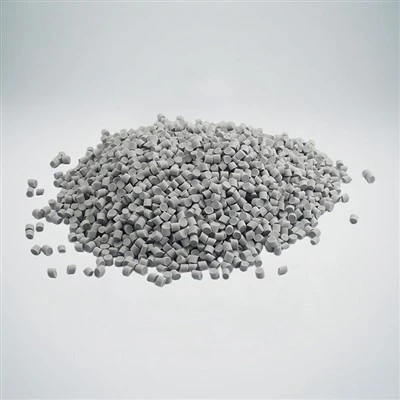
At the end of the day, the use of FRPP cable compound is all about solving specific challenges: fire safety in enclosed spaces, durability in harsh outdoor environments, resistance to abrasion and chemicals in industrial settings, and cost-effective performance that lasts. If you’re a cable manufacturer looking to improve your product’s performance, meet stricter safety standards, or reduce long-term costs, FRPP is a material worth considering. I’ve helped dozens of clients across industries find the right FRPP grade for their needs, and I’m always happy to walk through your specific project requirements, answer any questions you have about the material, or provide sample batches for testing. If you’re ready to explore how FRPP cable compound can improve your products, don’t hesitate to reach out to start a conversation.
Automotive and EV Cable Compounds References
- International Electrotechnical Commission (IEC). IEC 60332-1-2: Tests on Electrical Cables for Conditions Fire, Part 1-2: Vertical Flame Test for Single Insulated Wires or Cables. Geneva, Switzerland: IEC, 2015.
- Underwriters Laboratories (UL). UL 94: Tests for Flammability of Plastic Materials for Parts in Devices and Appliances. Northbrook, IL: UL LLC, 2020.
- Rosato, D. V., Rosato, M. G., & Rosato, D. V. "Plastics for Electrical Applications: Materials, Processing, and Performance." Hanser Publishers, 2018.
- National Electrical Manufacturers Association (NEMA). NEMA WC 70: Standard for Insulated Wire and Cable for the Transmission and Distribution of Electrical Energy. Rosslyn, VA: NEMA, 2021.
Opta New Materials (Jiangsu) Co., Ltd.
As one of the most professional FRPP cable compounds manufacturers and suppliers in China, we also support customized service. We warmly welcome you to buy bulk durable FRPP cable compounds from our factory. If you have any enquiry about free sample, please feel free to email us.
Address: No.80, Jingang Avenue, Zhenjiang New Area, Zhenjiang City, Jiangsu Province, China.
E-mail: le.yin@optachem.com
WebSite: https://www.optanewmaterials.com/
