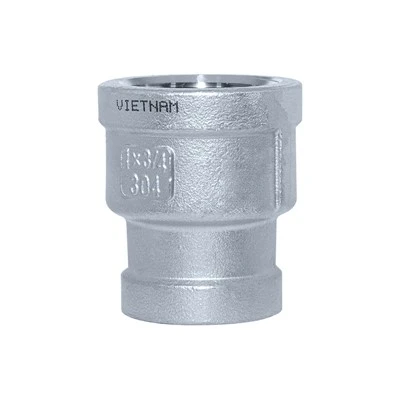
What’s up, guys! If you’re here, you’re probably deep in the thick of a plumbing, irrigation, or industrial project—and let’s be real, picking the right plastic pipe fitting material can feel like decoding a foreign language. I’ve been in the fittings game for over a decade now, and I’ve seen way too many folks grab whatever’s cheap at the hardware store only to end up with leaks, bursts, or whole projects going south. Today, I’m breaking down the most common plastic pipe fitting types, what they’re actually good for, and why picking the wrong one costs way more in the long run. No stuffy textbook jargon here—just straight talk from someone who sells these things every single day. Fittings
First off, let’s get one thing straight: plastic pipe fittings aren’t all created equal. Each material has its own superpowers, quirks, and best use cases. I used to mix these up early on—once sold a guy PVC fittings for a hot water heater, and he ended up with a busted pipe two weeks later. Oops. That’s why I’m gonna walk you through each one like I’m explaining it to my cousin who’s renovating his bathroom. Let’s dive in.
Starting with the big one: PVC. You’ve definitely heard of PVC, but do you know what it stands for? Polyvinyl Chloride. This is the workhorse of the plastic fitting world, and for good reason. It’s rigid, cheap as hell, and super easy to work with—you just cut it with a hacksaw or a PVC cutter, glue it together with that purple primer and cement stuff, and it’s done. Where does PVC shine? Cold water lines, drainage, sewer systems, irrigation for yards, and even some low-pressure industrial applications. But here’s the catch: regular PVC (sometimes called uPVC, unplasticized PVC) can’t handle heat over around 140°F. So if you’re thinking about using it for your dishwasher or water heater lines? Pass. It’ll warp, get soft, and leak. Also, some cheaper PVC has additives that can leach into drinking water over time—so make sure you specify “potable water grade” if it’s for drinking lines. I tell all my regulars: PVC’s great when you don’t need heat, don’t want to spend a fortune, and want something that’ll last for years (like, decades if installed right). We stock tons of uPVC fittings in all sizes, from ½ inch for bathroom pipes to 12 inch for commercial drainage.
Next up: CPVC. That’s Cross-Linked Polyvinyl Chloride, and it’s basically PVC’s heat-resistant cousin. When I learned about CPVC, I was surprised—they tweak the chemical structure so it can handle way higher temps, up to around 200°F. That’s perfect for hot water lines, water heaters, radiant heating systems, and even some small steam lines (though I’d still check the specs for steam). It’s still rigid, easy to glue just like PVC, and doesn’t leach bad stuff when used for hot potable water. The downside? It’s a touch more expensive than regular PVC, and it’s not as strong when it comes to cold temperatures. If it gets below freezing without insulation, CPVC can crack way easier than PVC. I always warn folks in cold climates to insulate their CPVC lines, and to never use regular PVC where heat’s involved. Last year, a contractor came to me with a mess—he’d used PVC for a commercial hot water loop, and half the fittings melted. We swapped him all to CPVC, and he hasn’t had a problem since. That’s the kind of stuff I live for—fixing mistakes before they turn into bigger headaches.
Now, let’s talk about the flexible guys: PEX. Polyethylene, cross-linked. PEX is huge right now, especially for residential plumbing. Why? It’s flexible—you can bend it around corners without needing a bunch of fittings, which cuts down on installation time and cost. No more 90-degree elbows every three feet! It’s great for hot and cold water lines, and it can handle temps from around 40°F to 180°F, so it’s in that sweet spot between PVC and CPVC. Wait, but what about fittings for PEX? Because PEX isn’t glued—you use crimp rings, clamp fittings, or push-fit connections. That’s where I come in—we carry all the PEX adapters, tees, elbows, and the tools to install them too. The downside of PEX? It’s not as rigid, so it needs to be supported every few feet to avoid sagging. Also, some old-school folks say it can degrade over time if exposed to UV light, so if you’re running it outside, make sure it’s rated for outdoor use or covered. I’ve installed PEX in my own home a few years back, and it’s been way easier to work with than rigid pipe. I sell a ton of PEX fittings to DIYers and pros alike—they love how fast they can get a job done.
Then there’s PB, Polybutylene. I know, I know—PB has a bad rap. Back in the 70s and 80s, PB pipes were super popular because they were flexible and cheap, but they ended up breaking down from chlorine in water, so they cracked and leaked a lot. Now, PB fittings are way better—they’re made with stabilizers that prevent that degradation. But here’s the thing: I don’t recommend PB for most new projects. Why? Because PEX is better, more reliable, and easier to find. The only time I sell PB is for retrofits where someone already has PB lines and doesn’t want to redo the whole system. If you’re starting fresh? Skip PB. Save yourself the hassle later.
Now, let’s get into the industrial side: HDPE. High-Density Polyethylene. This stuff is tough. Like, really tough. It’s flexible but durable, resistant to chemicals, abrasion, and impact—way more than PVC or CPVC. That’s why you see it for gas lines, wastewater treatment plants, mining operations, and even large-scale irrigation projects. HDPE can handle temps from super cold (way below freezing) to around 180°F, and it’s corrosion-resistant, so it doesn’t rust or degrade from chemical exposure. The catch? It’s not as easy to glue. Most HDPE fittings are fused together with heat or mechanical connections, which means it’s a bit more specialized for pros. It’s also pricier than PVC, but for industrial applications, the longevity and durability make it worth it. We stock HDPE fittings in large sizes, like 16 inch and up, for commercial and industrial jobs. Last year, a mining company came to me needing HDPE fittings for their slurry lines—they said the old steel fittings were rusting and leaking, and our HDPE ones have been going strong for over a year now. That’s the kind of long-term value I care about.
Another industrial one: PP, Polypropylene. Polypropylene is similar to HDPE, but it’s a bit stiffer, and it can handle even higher temps—up to around 220°F. That makes it great for hot water systems, chemical processing plants, and food and beverage applications (since it’s non-toxic and doesn’t leach). It’s resistant to most acids and bases, so it’s perfect for jobs where the fluid flowing through is harsh. The downside? It’s more brittle in cold temperatures than HDPE, so if you’re working in a place that gets really cold, HDPE is a better bet. I sell a lot of PP fittings for food processing plants—they love that it’s easy to clean and doesn’t react with their products.
Wait, let’s not forget about ABS. Acrylonitrile Butadiene Styrene. ABS is another rigid plastic, similar to PVC, but it’s black instead of white. You usually see it for drain-waste-vent (DWV) lines in residential plumbing, especially in newer construction. It’s cheap, easy to glue, and it’s more impact-resistant than PVC, so it’s less likely to crack if you drop a tool on the pipe. But again, it’s not for hot water—max temp is around 140°F, so stick it for drainage. A lot of builders prefer ABS for DWV because the black color hides grime and stains. We stock tons of black ABS tees, elbows, and couplings for residential projects. I once had a DIYer come to me trying to use ABS for a hot water line—told him no, he’d be back, and sure enough, two months later he was swapping it out for CPVC. Oops, not the first time that’s happened.
Now, let’s talk about how to pick the right one. Here’s a quick checklist I give every customer: First, what’s the fluid? Water? Chemicals? Slurry? Second, what’s the temperature? Hot or cold? Third, what’s the pressure? High or low? Fourth, is it indoor or outdoor? That simple checklist avoids 90% of the mistakes I see. If you’re doing a residential bathroom remodel for cold water: PVC. For hot water: CPVC or PEX. For outdoor irrigation: PVC or HDPE. For industrial chemical lines: PP or HDPE. I always tell folks, don’t just go for the cheapest option. I’ve seen cheap PVC fittings fail in 2 years, while a slightly more expensive CPVC lasts 20. Total cost of ownership, man. That’s what matters.
Also, let’s touch on fitment. A lot of people ask, do plastic fittings work with other pipe materials? Like, can I connect PVC to copper? The answer is yes, but you need an adapter. We sell all kinds of adapter fittings—PVC to copper, PEX to CPVC, HDPE to steel. Just make sure you get the right size and type for the job. Mismatched adapters are a common cause of leaks, so don’t skimp on that.
Wait, what about push-fit fittings? Those are the ones you just push the pipe into, no glue, no crimps. Super popular for DIYers because they’re easy to install. But not all push-fit fittings are made equal—cheap ones can leak, especially over time. I only stock push-fit fittings from reputable brands because I don’t want my customers dealing with leaks. If you’re a DIYer, push-fit is great for small jobs, but for large commercial jobs, glue or crimp is still more reliable.
Now, let’s get real about common mistakes. The biggest one I see is using the wrong material for the temp. Like, PVC for hot water. Second is buying generic, off-brand fittings. Cheap fittings often have thinner walls, so they burst easier under pressure. Third is not considering outdoor conditions—using regular PVC outside where it gets UV exposure, which makes it brittle. I once sold a guy cheap PVC fittings for his outdoor sprinkler system, and they cracked within a month from the sun. Swapped him for UV-stabilized PVC, and they’ve been fine. That’s why I emphasize quality over price, every time.
As a supplier, I’m not just here to sell you a fitting. I’m here to make sure you get the right one for your job. That means answering your questions, giving you recommendations, and even helping you calculate how many fittings you need. I don’t do hard sales—if a PVC is better for you than a more expensive HDPE, I’ll tell you that. If you don’t need a special fitting, I’ll let you know. That’s why so many repeat customers come back to me—they trust me.
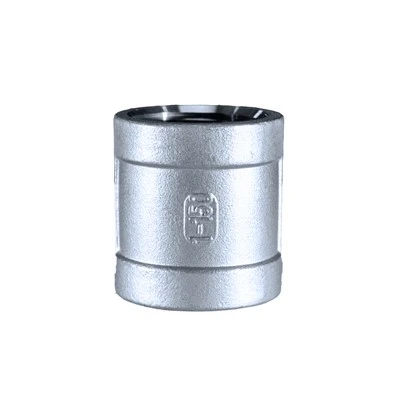
At the end of the day, plastic pipe fittings are the unsung heroes of any plumbing, irrigation, or industrial project. Pick the wrong one, and you’re looking at leaks, downtime, and extra costs. Pick the right one, and it’ll work flawlessly for decades. If you’re working on a project right now and not sure which material you need, hit me up to chat. I’ll walk you through the options, answer all your weird questions, and make sure you get exactly what you need, no hassle. No sales pitches, just straight answers. That’s how we do things around here.
Pipe Nipples References:
- Plastic Pipe and Fittings Association. (2021). “Selecting the Right Plastic Pipe Material for Your Application.”
- ASTM International. (2022). Standard Specification for Polyvinyl Chloride (PVC) Plastic Pipe Fittings.
- National Plumbing, Heating, and Cooling Contractors Association. (2020). Guide to Plastic Pipe and Fitting Installation.
- International Code Council. (2021). Residential Plumbing Code Requirements for Plastic Piping.
- American Water Works Association. (2019). HDPE Pipe and Fittings for Water Distribution Systems.
United Brothers Metal Products Co., Ltd.
United Brothers Metal Products Co., Ltd. is one of the most professional fittings manufacturers and suppliers in Vietnam. We are committed to providing high quality customized products with competitive price. Please feel free to buy bulk durable fittings in stock here from our factory. Also, pricelist is available.
Address: Lot 61c2, 99a, 99b Long Giang Industrial Park, Tan Phuoc 3 Commune, Dong Thap Province, Vietnam
E-mail: sales@ubfittings.com
WebSite: https://www.ubvalves.com/
