Hey everyone, it’s Jake here from [DC Booster Pump Supplier Name] – I’m one of the guys who actually puts together the DC booster pumps we ship out every week, not just some random marketing guy writing fancy posts. Today I wanna answer a question I get asked all the time from homeowners, small business owners, and even rainwater harvesting installers: Can DC booster pumps actually work with rainwater harvesting systems? Short answer? Hell yeah, but there’s a lot of stuff people get wrong about how to pair ’em right. Let’s break this down like we’re chatting over a coffee, no super jargon just real stuff we see every day. DC Booster Pump
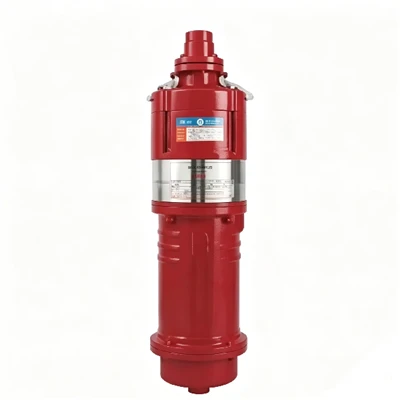
First, let’s start with the basics because a lot of folks mix up DC vs AC pumps, and rainwater harvesting (RWH) systems aren’t just like regular municipal water systems. RWH systems collect rain from roofs, store it in tanks, then push it out to use – like watering the garden, flushing toilets, doing laundry, sometimes even drinking water if they’ve got the right setup. The problem a lot of these systems run into? Gravity’s cool and all, but if your tank’s sitting in the basement, or the garden’s 30 feet uphill, or you need pressure strong enough to actually run a shower head, gravity just doesn’t cut it. That’s where a booster pump comes in, but DC ones are different from the AC pumps you might’ve used for a well or municipal water.
Wait, what’s a DC booster pump anyway? Unlike AC pumps that run on 110v or 220v grid power, DC pumps run on direct current – most of ours run on 12v, 24v, or 48v, and they can hook up to solar panels, battery backups, or even your car battery if you’re off-grid. That’s a game-changer for RWH systems, because a lot of them are installed in places without easy grid access – remote cabins, farm sheds, backyard gardens, even tiny homes. I’ve seen way too many guys buy an AC pump for their off-grid RWH setup, only to find out their solar array can’t keep up with the startup surge, so the pump just clicks on and off all day, burning itself out fast. That’s the stuff we’re here to fix, basically.
Now, can you actually use a DC booster pump with an RWH system? Let’s talk about the science first, because I don’t wanna tell you something that doesn’t check out. Rainwater from your tank isn’t like municipal water – it’s got a little more gunk, right? Leaves, sediment, maybe some bug parts if your tank filter’s not tight. A good DC booster pump (the kind we make) has a built-in impeller that’s designed to handle small solids, but you still need a pre-filter on your RWH tank. If you skip that, you’ll get clogs, and no pump will last. Our pumps have a self-priming feature too, which is key for RWH – because if your tank’s empty, you don’t wanna run the pump dry (that’s a death sentence for any pump). The self-priming means it’ll pull water from the tank even if the lines have a little air in ’em, which happens all the time when it rains and the tank refills. That’s way better than old AC pumps that just die if there’s a single air bubble in the line.
But wait, there are caveats. Not every DC booster pump works with every RWH system, and a lot of installers miss this when they’re putting stuff together. Let’s talk about size first. If your RWH tank is 500 gallons and you’re running a single outdoor faucet, a tiny 12v DC pump will work fine. But if you’ve got a 2,000-gallon tank and you’re running a whole house, including two showers and a dishwasher, you need a bigger 48v DC pump with a higher flow rate. That’s where we come in – we don’t just sell a one-size-fits-all pump; we help people figure out exactly what they need based on their tank size, how many outlets they’re using, and if they’re on grid or off. A lot of competitors just push the cheapest pump, and then people come back to us because theirs doesn’t work for their RWH setup.
Another big one: pressure matching. RWH systems operate at lower pressure than municipal water, right? Municipal water’s usually 40-80 PSI, but most RWH systems only need 20-50 PSI for regular use. Our DC booster pumps are adjustable – you can tweak the pressure to match your system, so you’re not wasting power pushing way more water than you need. That’s huge for off-grid folks running on solar – if you run a pump at max pressure all the time, your batteries die way faster. We have a pressure switch on all our pumps that kicks off when water isn’t being used, so it doesn’t cycle on and off unnecessarily, which saves power and extends the pump’s life. I’ve had customers tell us their DC pump has run for 5 years straight with barely any maintenance, just because they set the pressure right and kept the pre-filter clean.
Now, let’s talk about the stuff people get wrong. First, using a DC pump not rated for potable water if you’re gonna use your rainwater for drinking. A lot of cheap DC pumps out there are made for non-potable use – like moving water for a fountain, not for drinking. Our pumps are NSF/ANSI 61 certified, which means they’re safe for water that goes into your body, so if you’ve got a RWH setup with a reverse osmosis system for drinking, ours work perfectly. Don’t cut corners here – that’s how you get nasty stuff in your water.
Second, installing the pump in the wrong spot. A lot of people put their DC booster pump right at the tank, but that’s not always the best. If your tank’s in the basement, put the pump as close to the tank as possible, but make sure it’s above the water line? Wait no, wait – self-priming pumps can be either, but if you put it below, you have to make sure there’s no leaks. Actually, let’s be real: we’ve had customers put our pump 10 feet below the tank and it works fine, but we always advise putting it in a shaded, dry place – not directly next to the tank where it’ll get rained on all winter. Moisture kills electronics, even DC ones. That’s a mistake I see all the time, and it’s so avoidable.
Third, power supply issues. Even though DC pumps are better for off-grid, you can’t just hook a random 12v battery up to one and expect it to run. You need to match the voltage to the pump – if your pump is 24v, don’t use a 12v battery, it’ll be too weak. If you’re running off solar, you need a charge controller that can handle the pump’s startup draw. Our pumps have soft start technology, which means they ramp up power gradually instead of jumping to full draw right away. That’s a huge deal for small solar arrays – we had a customer with a 200w solar panel that couldn’t run a regular AC pump, but it runs our 12v DC pump no problem, even when the sun’s a little dim. That’s the kind of stuff that makes our pumps different from the no-name ones on Amazon.
Wait, let’s throw in a real example – last month we worked with a guy named Tom in rural Ohio, his cabin’s got a 1,500-gallon rainwater tank, no grid power, runs on a 300w solar setup. He tried a $50 AC pump from a hardware store, it died in 2 weeks because the startup surge fried it. He switched to our 24v DC booster pump, installed a 100-micron pre-filter on his tank, and now he runs a shower, washer, and garden irrigation all off that pump. He’s had it 8 months, no issues, and his power bill (he just has a small backup battery) is like $10 a month. That’s the kind of win we see every week, and it’s exactly why we love these pumps for RWH systems.
Another point: maintenance, because no pump lasts forever. DC booster pumps for RWH don’t need as much maintenance as AC ones, but you still have to do a couple simple things. Every 3 months, check the pre-filter on your tank and clean it out – leaves and gunk will clog it, which makes the pump work harder. Once a year, take the pump apart and clean the impeller – if there’s sediment built up, it’ll reduce flow. Ours pumps have a easy-to-access impeller, so you don’t need a mechanic to do it. A lot of cheap pumps have sealed impellers you can’t get to, so when they clog, you have to replace the whole thing. That’s another big plus for ours – user-friendly maintenance, no special tools needed.
Wait, is there any case where a DC booster pump isn’t the right choice for a RWH system? Let’s be honest, if you’ve got a huge commercial RWH system – like a 10,000-gallon tank for a office building, multiple bathrooms, irrigation for a big property – you might need a bigger industrial DC pump, but even then, they’re better than AC because you can run them off solar. For residential setups, though? 9 times out of 10, a good DC booster pump is the way to go, way more reliable, cheaper to run, easier to install off-grid.
I know a lot of people are worried about cost upfront, but let’s do the math. A DC booster pump from us is around $150-$400, depending on size. A good AC pump is similar, but you have to wire it for grid power, which can cost $200-$500 if you’re running lines out to a remote area. Plus, DC pumps use way less power, so your monthly power cost is half or less than an AC pump. And since they’re built for RWH, they last 3-5 years longer on average than cheap AC pumps. That adds up over time.
Now, let’s get to the part you’re here for – if you’ve got a RWH system and you’re thinking about adding a DC booster pump, don’t just buy the first one you see on Amazon. Hit us up, we’ll help you figure out what size you need, what power supply works with your setup, even give you tips on installation. We don’t do automated sales calls or generic quotes – we’re the guys who test the pumps in our warehouse every day, so we know exactly what works for RWH systems, what doesn’t, and how to make it last.
Wait, let me make sure I didn’t skip anything. Oh, right – backflow prevention. That’s a code thing in a lot of places, especially if you’re using rainwater for potable water. Our DC booster pumps come with a built-in check valve, which prevents water from flowing back into your RWH tank – that keeps municipal water (if you ever need to top up) from mixing with rainwater, and vice versa. A lot of cheap pumps skip that, so you have to buy it separately, which adds more cost. That’s another little thing we include because we know it’s necessary for most RWH setups.
Also, winter use. If you’re in a cold climate, you can install our DC booster pumps above ground, and they have a drain plug so you can empty the water out before winter, no freezing issues. AC pumps often have more parts that can crack in cold, but our pumps are built with corrosion-resistant materials, so even if you leave ’em out in a light frost, they’ll be fine. We’ve had customers in Minnesota use our pumps for their RWH systems through winter, just drain the lines once a season, no problems.
Let me wrap this up – the main takeaway here is: Yes, DC booster pumps absolutely can be used with rainwater harvesting systems, and for most setups, they’re the better choice over AC pumps. They’re off-grid friendly, more energy efficient, built to handle the small stuff in rainwater, and easier to maintain. The key is picking the right size pump, matching it to your power supply, and installing it right with a pre-filter and check valve.

If you’re ready to upgrade your RWH system with a DC booster pump, or just have questions about what’ll work for your setup, don’t hesitate to reach out. We don’t just sell pumps – we’ve been working with RWH installers and homeowners for years, so we can help you get the right setup that won’t break, won’t waste power, and will give you consistent pressure for years.
Landscape Pump References
- American Rainwater Catchment Systems Association (ARCSA). (2022). Pump Selection for Rainwater Harvesting Systems. ARCSA Technical Manual.
- NSF International. (2021). Standard 61: Drinking Water System Components – Health Effects. NSF.
- Solar Power World. (2023). DC Pumps for Off-Grid Water Systems: Efficiency and Performance. Solar Power Industry Report.
- International Plumbing Code (IPC). (2021). Backflow Prevention Requirements for Non-Potable Water Systems. International Code Council.
- University of California Agriculture and Natural Resources. (2020). Rainwater Harvesting System Maintenance Guidelines. UC ANR Publication.
Longbiao Pump Industry Co., Ltd.
We are one of the most professional dc booster pump manufacturers and suppliers in China, featured by quality products and low price. Please rest assured to buy discount dc booster pump for sale here from our factory. We also accept customized orders.
Address: Unit 101, Building 11, Pan’ao Entrepreneurship Park, Daxi Town, Wenling City, Taizhou City, Zhejiang Province, P.R. China
E-mail: 1653746797@qq.com
WebSite: https://www.cnlongbiao.com/
