As a supplier of Controlled Atmosphere Reefer Containers (CARCs), I’ve witnessed firsthand how these specialized units have revolutionized the transportation of perishable goods. One of the key features of CARCs is their ability to precisely control the internal atmosphere, which is crucial for maintaining the quality and extending the shelf – life of the cargo. In this blog, I’ll be discussing the common gas mixtures used in these containers and why they are so important. Controlled Atmosphere Reefer Container
The Role of Gas Mixtures in CARCs
Before delving into specific gas mixtures, it’s essential to understand why they are necessary in CARCs. Perishable goods, such as fruits, vegetables, and meats, continue to undergo respiration and other biochemical processes even after harvest or slaughter. These processes consume oxygen and produce carbon dioxide. If left unchecked, the build – up of carbon dioxide and the depletion of oxygen can lead to premature spoilage, discoloration, and loss of nutritional value.
By adjusting the gas composition inside the container, we can slow down these metabolic processes, effectively putting the perishable goods into a "hibernation" state. This not only maintains the quality of the products during transit but also allows for longer storage and transportation times, opening up global markets for producers.
Common Gas Mixtures
Nitrogen – Rich Mixtures
Nitrogen is an inert gas, which means it doesn’t react readily with other substances. In CARCs, nitrogen is often used to displace oxygen. A typical nitrogen – rich gas mixture might consist of 98 – 99% nitrogen and 1 – 2% oxygen.
The main advantage of using a high – nitrogen environment is that it significantly reduces the rate of oxidation and microbial growth. Oxidation is a major cause of spoilage in many perishable products, as it can lead to the breakdown of fats, proteins, and vitamins. By minimizing the oxygen content, we can slow down these oxidation reactions. For example, when transporting fresh meat, a nitrogen – rich atmosphere can prevent the meat from turning brown, which is a sign of oxidation and reduced quality.
Moreover, nitrogen is relatively inexpensive and readily available. It can be easily generated on – site using nitrogen generators, which separate nitrogen from the air. This makes it a cost – effective solution for maintaining the desired atmosphere in CARCs.
Oxygen – Carbon Dioxide Mixtures
Another common gas mixture used in CARCs is a combination of oxygen and carbon dioxide. The exact proportions of these gases depend on the type of cargo being transported.
For fruits and vegetables, a typical mixture might be 2 – 5% oxygen and 3 – 8% carbon dioxide, with the remainder being nitrogen. This combination helps to regulate the respiration rate of the produce. A lower oxygen level slows down the respiration process, while an appropriate level of carbon dioxide inhibits the growth of fungi and bacteria.
For example, when transporting apples, a gas mixture of 3% oxygen and 5% carbon dioxide can significantly extend the storage life. Apples stored in this environment will remain firm, crisp, and flavorful for a much longer time compared to those stored in normal air.
However, it’s important to note that different fruits and vegetables have different optimal gas compositions. For instance, bananas require a relatively higher oxygen level (around 5 – 10%) and a lower carbon dioxide level (around 3 – 5%) to ripen properly during transit.
Ethylene – Scrubbing Mixtures
Ethylene is a natural plant hormone that plays a crucial role in the ripening process. While it is beneficial for ripening certain fruits, excessive ethylene can cause premature ripening, over – ripening, and even spoilage.
In CARCs, gas mixtures can be designed to scrub or remove ethylene from the atmosphere. One way to achieve this is by using a combination of potassium permanganate and activated carbon. These substances absorb ethylene, preventing it from accumulating in the container.
For example, when transporting tomatoes, which are sensitive to ethylene, an ethylene – scrubbing gas mixture can help maintain the tomatoes in their green, unripe state for longer. This allows for better control of the ripening process, ensuring that the tomatoes reach their destination in the desired condition.
The Importance of Precise Gas Control
In a CARC, precise control of the gas mixture is of utmost importance. Even a slight deviation from the optimal gas composition can have a significant impact on the quality of the cargo.
Modern CARCs are equipped with advanced gas control systems that continuously monitor and adjust the gas levels inside the container. These systems use sensors to measure the concentration of oxygen, carbon dioxide, and other gases. Based on the readings, the system can automatically inject or remove gases to maintain the desired composition.
For example, if the oxygen level in the container rises above the set limit, the system will inject nitrogen to displace the excess oxygen. Similarly, if the carbon dioxide level is too high, the system can remove some of the carbon dioxide through a scrubbing process.
Challenges and Solutions in Using Gas Mixtures
While gas mixtures offer many benefits in CARCs, there are also some challenges associated with their use.
One of the main challenges is leakage. Even a small leak in the container can cause the gas composition to change, leading to potential spoilage of the cargo. To address this issue, CARCs are designed with high – quality seals and insulation. Regular inspections and maintenance are also carried out to ensure the integrity of the container.
Another challenge is the complexity of adjusting the gas mixture for different types of cargo. As mentioned earlier, each type of fruit, vegetable, or meat has its own optimal gas composition. To overcome this, we provide our customers with detailed guidelines and training on how to set up and adjust the gas control systems in our CARCs based on the specific cargo they are transporting.
Conclusion
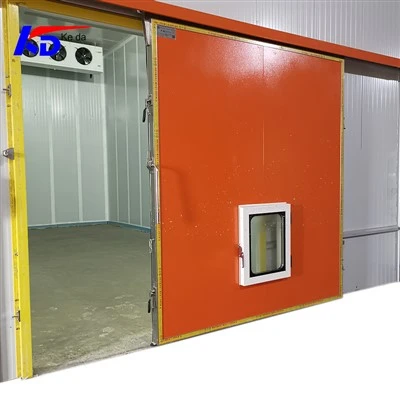
In conclusion, gas mixtures play a vital role in the operation of Controlled Atmosphere Reefer Containers. By carefully selecting and controlling the gas composition, we can significantly extend the shelf – life and maintain the quality of perishable goods during transportation. Whether it’s a nitrogen – rich mixture for reducing oxidation, an oxygen – carbon dioxide mixture for regulating respiration, or an ethylene – scrubbing mixture for controlling ripening, each type of gas mixture has its own unique benefits.
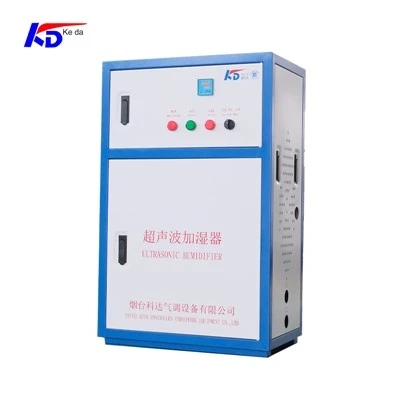
Ultrasonic Humidifier If you are in the business of transporting perishable goods and are looking for a reliable solution to maintain the quality of your cargo, our Controlled Atmosphere Reefer Containers are the perfect choice. With our advanced gas control systems and high – quality construction, we can ensure that your products reach their destination in the best possible condition. Contact us to start a discussion about your specific needs and how we can help you optimize your transportation operations.
References
- Kader, A. A. (2002). Postharvest technology of horticultural crops. University of California, Division of Agriculture and Natural Resources.
- Thompson, A. K. (2010). Modified atmosphere packaging of fresh produce. Woodhead Publishing.
- Farber, J. M. (1991). Microbiological aspects of modified – atmosphere packaging technology: a review. Journal of Food Protection, 54(10), 807 – 826.
Yantai Keda Zhixian International Trade Co., Ltd.
As one of the leading manufacturers and suppliers of controlled atmosphere reefer container in China, we have world-leading production equipment and strong manufacturing capabilities. Please feel free to buy high-grade controlled atmosphere reefer container for sale here from our factory.
Address: No.18-2, Wuhan St, Yantai ETDZ, Yantai, Shandong, China
E-mail: ytkeda2026@163.com
WebSite: https://www.kedacastorage.com/
