In the dynamic world of food service and beverage industries, disposable stirrers play an often-underestimated yet crucial role. As a dedicated supplier of disposable stirrers, I’ve witnessed firsthand the diverse needs and concerns of our customers. One question that frequently arises is, "Do disposable stirrers bend easily?" This seemingly simple query delves into the realms of materials science, manufacturing quality, and practical usability. In this blog post, we’ll explore this question in depth, drawing on scientific knowledge and real-world experience to provide a comprehensive answer. Disposable Stirrers

Understanding the Materials
The first factor to consider when evaluating the bendability of disposable stirrers is the material from which they are made. Common materials used in disposable stirrers include plastic, paper, and bamboo. Each material has its own unique properties that influence its flexibility and resistance to bending.
Plastic Stirrers
Plastic stirrers are perhaps the most widely used type of disposable stirrer due to their affordability, durability, and versatility. They are typically made from polymers such as polypropylene (PP) or polystyrene (PS). Polypropylene is a thermoplastic polymer known for its high strength, stiffness, and resistance to fatigue. Stirrers made from polypropylene are generally rigid and less likely to bend easily under normal use. On the other hand, polystyrene is a lighter and more brittle material, which may be more prone to bending or breaking, especially if subjected to excessive force.
The manufacturing process also plays a role in the bendability of plastic stirrers. Injection molding is a common method used to produce plastic stirrers, where molten plastic is injected into a mold cavity under high pressure. The quality of the mold, the injection parameters, and the cooling process can all affect the final properties of the stirrer. For example, if the mold is not properly designed or maintained, it may result in uneven wall thickness or structural defects, which can make the stirrer more susceptible to bending.
Paper Stirrers
Paper stirrers have gained popularity in recent years as a more environmentally friendly alternative to plastic stirrers. They are typically made from recycled paper or cardboard and coated with a thin layer of wax or polymer to make them waterproof. The bendability of paper stirrers depends on the thickness and quality of the paper used, as well as the coating applied.
Thicker papers are generally more rigid and less likely to bend easily, while thinner papers may be more flexible. The coating also plays a role in the durability of the stirrer. A high-quality coating can provide additional strength and resistance to moisture, making the stirrer less likely to become soggy or bent. However, if the coating is too thick or too hard, it may make the stirrer more brittle and prone to breaking.
Bamboo Stirrers
Bamboo stirrers are another natural and eco-friendly option. Bamboo is a strong and renewable resource that has been used for centuries in various applications. Stirrers made from bamboo are typically cut from bamboo shoots and then sanded and polished to create a smooth surface.
The bendability of bamboo stirrers depends on the species of bamboo used and the processing method. Some species of bamboo are more flexible than others, and the way the bamboo is processed can also affect its properties. For example, if the bamboo is dried too quickly or at too high a temperature, it may become brittle and more likely to break. However, when properly processed, bamboo stirrers can be relatively rigid and resistant to bending.
Factors Affecting Bendability
In addition to the material, several other factors can affect the bendability of disposable stirrers. These include:
Design and Shape
The design and shape of the stirrer can have a significant impact on its bendability. For example, stirrers with a thicker cross-section or a more robust design are generally more rigid and less likely to bend easily. Stirrers with a tapered or curved shape may also be more resistant to bending, as they distribute the force more evenly across the stirrer.
Length
The length of the stirrer is another important factor. Longer stirrers are generally more likely to bend under their own weight or when subjected to a lateral force. This is because the longer the stirrer, the greater the leverage and the more likely it is to flex. Shorter stirrers, on the other hand, are more rigid and less likely to bend.
Temperature and Moisture
Temperature and moisture can also affect the bendability of disposable stirrers. For example, plastic stirrers may become more flexible at higher temperatures, while paper stirrers may become soggy and lose their stiffness when exposed to moisture. Bamboo stirrers can also be affected by humidity, as they may absorb moisture and become more prone to bending or warping.
Practical Considerations
In real-world applications, the bendability of disposable stirrers is often a matter of practicality. While some customers may prefer stirrers that are rigid and不易弯曲的, others may find that a certain degree of flexibility is desirable. For example, in a high-volume food service environment, stirrers that are too rigid may be more likely to break or cause spills, while stirrers that are too flexible may not be able to effectively mix the contents of the beverage.
As a supplier of disposable stirrers, we understand the importance of finding the right balance between flexibility and rigidity. That’s why we offer a wide range of stirrers made from different materials and with different designs to meet the diverse needs of our customers. Whether you’re looking for a rigid plastic stirrer for a formal event or a flexible paper stirrer for a casual gathering, we have the perfect solution for you.
Conclusion
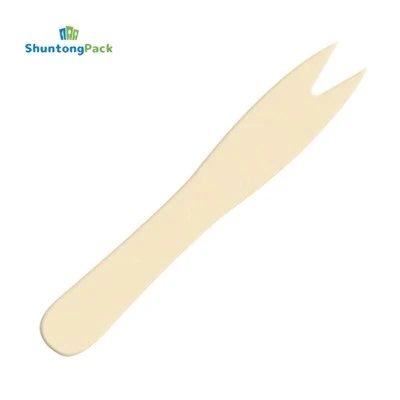
In conclusion, the question of whether disposable stirrers bend easily depends on a variety of factors, including the material, design, length, and environmental conditions. While plastic stirrers are generally more rigid and less likely to bend, paper and bamboo stirrers may offer a more eco-friendly alternative with varying degrees of flexibility. By understanding these factors and choosing the right stirrer for your specific needs, you can ensure a smooth and enjoyable stirring experience for your customers.
Bagasse Cups If you’re interested in learning more about our disposable stirrers or would like to discuss your specific requirements, please feel free to contact us. Our team of experts is always ready to assist you and provide you with the best possible solutions for your business.
References
- Mohanty, A. K., Misra, M., & Drzal, L. T. (Eds.). (2005). Natural Fibers, Biopolymers, and Biocomposites. CRC Press.
- ASTM International. (2019). ASTM D638 – 14a: Standard Test Method for Tensile Properties of Plastics.
- ISO 176:2010. Plastics – Determination of Charpy Impact Strength.
Mudanjiang Shuntong Environmental Protection Technology Co., Ltd.
Mudanjiang Shuntong Environmental Protection Technology Co., Ltd. is one of the most professional disposable stirrers manufacturers and suppliers in China, featured by quality products and good price. Welcome to wholesale eco-friendly disposable stirrers made in China here and get pricelist from our factory. Contact us for customized service and OEM service.
Address: Shop No.4, Building 1, Ruijing Huating, Hailin City, Mudanjiang City, Heilongjiang Province
E-mail: info03@ecojiaxun.com
WebSite: https://www.shuntongcutlery.com/
