If you’ve ever spent $300 on a gorgeous rattan patio set only to watch its weave fray and fade after one brutal summer, you know outdoor furniture isn’t just “stuff” to leave out in the sun. As someone who’s been supplying outdoor gear for 12 years—talking to homeowners, landscapers, even small cafe owners who depend on their patios to stay usable all season—I’ve learned the hard way that “tough, weather-resistant” doesn’t mean “no maintenance.” Hot, humid, or scorching dry weather doesn’t just make your patio feel like an oven; it slowly degrades furniture materials, even the ones labeled “UV-protected.” The good news? You don’t need to lock your set inside every night or buy expensive covers that blow away. Most fixes are simple, science-backed, and tailored to what works for each material. Let’s break this down, no fancy jargon, just what actually keeps your outdoor furniture cool (and intact) when the heat cranks. Outdoor Furniture
First, let’s get real about why heat is the enemy. I see so many people writing off faded cushions as “normal,” but that’s not true. Every material expands when it’s hot, then contracts as it cools—over time, that back-and-forth (called thermal expansion/contraction) weakens fibers, breaks down adhesives, and makes finishes peel. For example, the woven resin I use in most of my patio sets is UV-stabilized, but when temperatures stay above 95°F for weeks on end, those stabilizers can break down faster than a cheap sunscreen. Same with metal: aluminum is lightweight and rust-resistant, but extreme heat can make its paint finish blister if it’s not properly primed. Wood? Teak and acacia are naturally water-resistant, but long, unbroken heat can dry out their natural oils, leaving them prone to cracking. Even those cheap plastic lounge chairs you pick up at the big box store? Their plasticizers (the stuff that keeps them from being brittle) evaporate in heat, so they get crunchy and break after a season.
Now, let’s go material by material, because what works for a metal table won’t work for a fabric cushion. Let’s start with the most common one: fabric cushions. I know, I know—cushions are the bane of outdoor furniture owners’ existence. But here’s the science: if your cushion is made of polyester or solution-dyed acrylic (the two best options for outdoors), its weave traps heat right against your back and legs when it’s hot, making your entire patio feel 10 degrees warmer. The fix? Wash them regularly (wait, no—don’t wash every week, that breaks the UV coating) but give them a quick rinse with cool water after a heavy heat spell, then prop them on their side to dry fully, not flat on a table. Why? If they’re damp when the heat hits, the moisture cooks inside the fabric, weakening the threads. Also, skip the dark colors if you can—dark fabrics absorb 30% more heat than light ones, so a navy cushion can feel way hotter than a gray one, even if they’re the same material. Pro tip I tell all my wholesale clients: keep a set of lightweight, off-white outdoor throw blankets on hand. When you’re not using the cushions, drape the blankets over them—they block direct sun, and the thin fabric lets air circulate, unlike a thick vinyl cover that traps heat.
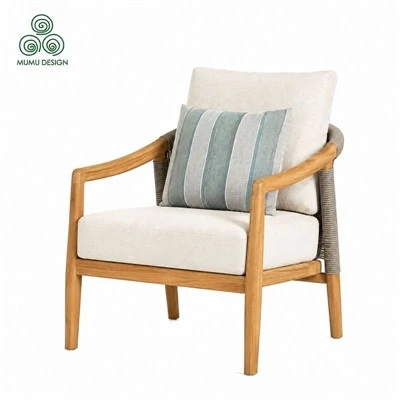
Next up: wicker and rattan. I get a lot of questions about these, because they look so cozy, but people worry they’ll melt in the heat. Good news: natural rattan and synthetic resin wicker are both heat-resistant, but they do get hot to the touch. The trick here is to add a heat barrier, not cover them. For resin wicker (the most popular type I supply now), a simple, washable outdoor rug under the set makes a huge difference. Wait, why? The rug acts as an insulator between the hot concrete or wood patio and the wicker, so your feet don’t burn when you stand up, and the wicker itself stays 5-10 degrees cooler. For natural rattan, which is more delicate, avoid setting hot grills or fire pits directly on it—those sudden spikes in heat can crack the weave. If you live in a place with 100°F+ summers, I recommend storing your most-used wicker chairs on a covered porch when they’re not in use for days at a time. Rattan’s fibers can dry out and become brittle if exposed to constant extreme heat, so a little shade goes a long way.
Metal furniture, especially aluminum and wrought iron, is super durable, but it’s the worst at holding heat. I’ve seen aluminum tables get so hot that a glass left on the surface will get warm to the touch in 10 minutes. The fix here isn’t a cover—covers trap condensation that can cause rust, especially if you have wrought iron. Instead, use a heat-resistant table mat or a thick, outdoor tablecloth (made of polyester or cotton canvas, not flannel) to act as a buffer. Another trick: leave a small fan blowing near your metal furniture on really hot days. It sounds silly, but the air movement keeps the surface from absorbing as much heat, and it also blows away the small bits of dust that can scratch the finish when the metal expands. For wrought iron, if you have chipped paint in a hot spot, touch it up with high-temperature outdoor paint—regular latex will bubble when it gets too hot, exposing the metal to rust. I always tell customers to buy a small tube of matching paint when they get their set, because chips in the middle of summer are way easier to fix before they turn into big problems.
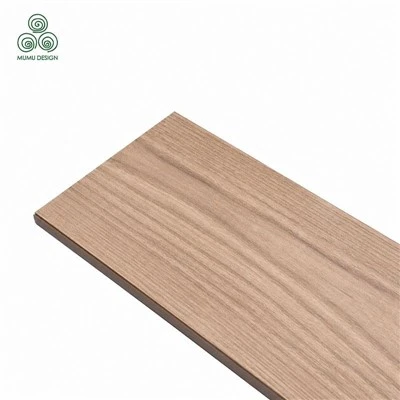
Wood furniture, like teak or acacia, is amazing for its natural beauty, but it needs a little extra care in hot weather. Teak has natural oils that protect it, but if you leave it out in 90°F heat for weeks without any care, those oils can evaporate. The result? Faded gray wood that looks weathered in a bad way, not the nice weathered patina. The solution is simple: every 4-6 weeks during summer, wipe the wood down with a mix of equal parts linseed oil and mineral spirits. Don’t use furniture polish—most of that has silicone, which repels water and keeps the new oils from absorbing. Wait, there’s a myth that you need to cover wood furniture every night, but that’s actually bad. A cover traps moisture, so if you cover damp wood overnight, it can mold. Instead, just give it a quick rinse with cool water once a month, and let it air dry for a few hours. If you want to keep its golden color instead of letting it gray, use a UV-protective wood sealant in late spring, right before the hottest months hit. That sealant reflects UV rays, so the wood doesn’t absorb as much heat, which keeps it looking new longer.
Wait, what about portable pieces, like folding chairs or side tables? A lot of people have these, and they’re the easiest to overlook. Plastic folding chairs, for example, are made with polyethylene plastic, which gets brittle in heat. If you leave them folded up in the garage all summer, the sun’s heat coming through the garage door will warp the plastic. Instead, store them in a cool, shaded spot when you’re not using them. If you have to leave them out, spray them with a thin coat of silicone spray every month—this keeps the plastic flexible, so it doesn’t crack when you sit down. For small side tables made of concrete? Concrete is heavy, so you can’t move it easily, but it gets hot to the touch. Set a ceramic tile or a large trivet on top to put your drinks on—it’s way cooler than the concrete, and it’s easy to clean.
Now, let’s talk about common mistakes people make that make their furniture hotter. First, using vinyl covers. I know they look thick and protective, but vinyl traps heat and moisture. If you use one on a hot day, your furniture is basically in a sauna, which is way worse than leaving it exposed. Instead, use breathable mesh covers if you need to protect it, or just drape a sheet over it if you’re leaving it for a few days. Second, not cleaning your furniture regularly. Dust, dirt, and pollen can scratch finishes, and when those particles get hot, they can melt into the surface, making it stick or discolor. A quick rinse with a garden hose (no pressure washer—those can warp wicker or peel paint) once a week keeps everything clean and cool. Third, putting furniture too close to walls or planters. If your set is right up against a brick wall, the wall absorbs heat all day and radiates it back onto your furniture, making it 15 degrees hotter than it would be in the middle of the patio. Leave at least 12 inches of space around each piece for air to circulate—it’s a small change that makes a huge difference.
As an outdoor furniture supplier, I’ve spent a lot of time testing these methods myself. Last year, we had a batch of synthetic resin wicker sets in a region that hit 102°F for 4 straight weeks. Most of the customers who followed the air circulation rule and used outdoor rugs reported that their chairs stayed cool enough to sit on for an hour without burning their legs, and none of the wicker frayed. The ones who just left them against the house with no airflow? Half their sets had faded spots and slightly warped frames by the end of summer. It’s not rocket science, but it’s consistency that works.
At the end of the day, keeping outdoor furniture cool in hot weather isn’t about spending a ton of money. It’s about understanding how different materials react to heat, and making small adjustments to protect them. I’ve talked to so many people who think their furniture is “broken” after one summer, but most of the time, it’s just not cared for the right way. If you’re in the market for new outdoor gear, or you need tips tailored to your specific set—whether it’s wicker, metal, wood, or cushions—feel free to reach out. We’re always happy to help, no sales pitch, just real advice from someone who’s been in the game for years.
Faux Beam References:
- Outdoor Industry Association. (2022). Material Durability in Extreme Temperature Conditions: A Guide for Patio Furniture Owners.
- University of California Agriculture and Natural Resources. (2021). Care and Maintenance of Outdoor Patio Furniture for Hot, Arid Climates.
- Textile Institute. (2020). Performance Characteristics of Outdoor Fabrics Under Elevated Temperatures.
- American Wood Council. (2022). Protecting Exterior Wood Furniture From UV Degradation and Thermal Stress.
Dongguan Mumu WoodWork Co., Ltd.
As one of the most professional outdoor furniture manufacturers and suppliers in China, we also support customized service. Please feel free to wholesale bulk high quality outdoor furniture for sale here from our factory. Good service and low price are available.
Address: Room No.2602-2603, Unit 9B, Universal Commerce Center, Nancheng District, Dongguan City, Guangdong Province, China,523073
E-mail: sales@mumu-ing.com
WebSite: https://www.mumuthermowood.com/
