If you’ve ever wandered through a farmers’ market or listened to a fellow grower rave about “that seaweed stuff,” you already know alginic acid fertilizer is total game-changer for soil and plants alike. But here’s the thing I see way too often: growers buy alginic acid products, dump way too much or way too little at the wrong time, and then wonder why they’re not seeing the results everyone’s talking about. As a supplier who’s worked with this stuff for years, I’m here to break down exactly how to use it correctly—no fancy lab jargon, just straight-up tips that actually work. Let’s dive in. Alginic Acid Fertilizer
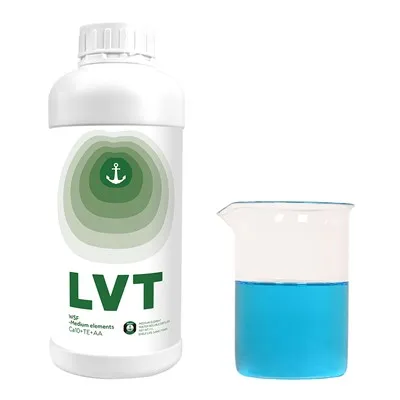
First, let’s get one thing clear: alginic acid isn’t just some random seaweed extract. It’s a polysaccharide pulled from brown algae (think kelp, bladderwrack, that stuff) that’s packed with plant-friendly goodies—like cytokinins for cell growth, auxins for root development, and alginates that improve soil structure. But here’s the catch: how well it works depends almost entirely on how you use it. I’ve seen a new farmer dump a full jug on his tomato patch in one go, then panic when the leaves turned yellow. And I’ve seen a veteran only apply it once a year, like it’s just another fertilizer pill. Neither works.
Let’s start with the basics: when to apply alginic acid fertilizer. Timing is everything. You don’t want to waste it on a plant that’s already done growing, right? For most crops, the sweet spots are two key windows. First, during early growth—like when seeds are germinating, or seedlings are putting out their first true leaves. Alginic acid at this stage supercharges root development, so your plants get a strong foundation early on, which makes them way more resistant to drought, pests, and later stress. I remember a customer last spring who applied alginic acid to his corn seedlings instead of his usual chemical starter fertilizer; his corn was 6 inches taller by the end of the month, and he saved $50 on extra nitrogen later. That’s the stuff.
The second window is during stress periods. If your crops are going through a heatwave, a cold snap, or a dry spell, alginic acid acts like a shield. It helps plants retain moisture and activates their natural defense systems. Last summer, we had a customer with a strawberry farm hit by a 10-day heat wave. She sprayed her plants with a diluted alginic acid mix, and only 5% of her berries dropped—compared to her neighbors who lost 30% of their crop. That’s the real value of this product, not just feeding plants, but protecting them when things get tough.
Now, how to apply it—because there’s a few different methods, and each works best for different jobs. Let’s break them down simply.
First, foliar spray. This is when you mix alginic acid with water and spray it directly on the leaves. It’s great for quick absorption, because plants take in nutrients through their leaves almost as fast as through their roots. But here’s the rule: never spray it in the middle of a hot, sunny day. The water will evaporate too fast, and the alginic acid will burn the leaves. Do it early morning, before the sun comes up, or late evening, right after it sets. And make sure you dilute it correctly. Most alginic acid liquid concentrates call for 1-2 tablespoons per gallon of water—more isn’t better. I’ve seen someone put 4 tablespoons, and their leaves got all crinkly and yellow. Stick to the label, but here’s a pro tip: add a tiny bit of dish soap (like a drop or two) to the mix. It helps the spray stick to the leaves instead of beading off, so more gets absorbed.
Second, soil drench. This is when you pour the diluted alginic acid directly onto the soil around the plant’s base, so it gets taken up by the roots. It’s perfect for potted plants, garden beds, or lawns, because it works on improving the soil long-term. For soil drenches, the dilution is a bit different—usually 2-3 tablespoons per gallon, because it needs to penetrate the soil to feed the microbes there. Speaking of microbes: alginic acid is great for feeding soil bacteria, which in turn make nutrients more available to plants. That’s why you don’t want to overdo the soil drench—too much alginate can make the soil too slimy, and the roots won’t get enough air. I once had a customer with a potted rose who drenched it every week, and the root rot set in because the soil was always waterlogged. Oops.
Third, seed treatment. If you’re planting seeds, coating them with a small amount of alginic acid before sowing can boost germination rates. Just mix a tiny bit of alginic acid with a little water to make a paste, roll the seeds in it, let them dry for an hour, then plant. This is especially helpful for tricky seeds—like carrots or lettuce, which can be slow to germinate. We’ve had customers tell us germination rates went from 60% to 85% after doing this. It’s a tiny step that makes a huge difference.
Now, let’s talk about what not to do. This is where most people mess up. First, don’t mix alginic acid with harsh chemicals unless you know for sure it’s safe. For example, some fungicides or high-phosphorus fertilizers can react with alginic acid and break down its nutrients, making it useless. I always tell customers to test a small batch first—mix a cup of your alginic acid solution with a cup of whatever other chemical you’re using, wait 10 minutes, and if it doesn’t clump or turn weird, it’s safe. If it does, skip mixing them.
Second, don’t think of alginic acid as a replacement for regular fertilizer. It’s a supplement, not a main feed. It doesn’t have nitrogen, phosphorus, or potassium in big enough amounts to be your only fertilizer. Think of it as a multivitamin for your plants—it boosts their ability to use the nutrients they already get from other fertilizers. If you skip your regular fertilizer and only use alginic acid, your plants will be starved for the macros they need to grow big fruits or grains. I’ve seen this happen so many times: a guy used alginic acid alone on his tomato plants, and they grew lots of leaves but no tomatoes. Lesson learned.
Third, don’t apply it too frequently. How often? For foliar sprays, every 2-3 weeks during the growing season is enough. For soil drenches, once a month, or 2-3 times a season. If you spray it every week, you’re wasting product (and money) because plants can only absorb so much at once, and excess will just wash away when it rains. Last year, a commercial grower sprayed his cucumber patch every week, and he told me he spent twice as much as he needed to, and the cucumbers were no bigger than another guy who sprayed every 3 weeks. Don’t overdo it.
Wait, also—what about different crops? Alginic acid works on almost everything, but some need a little adjustment. For leafy greens (lettuce, spinach), foliar sprays work great because they boost leaf growth, and the dilute mix won’t burn the leaves. For root crops (carrots, potatoes), soil drenches in the early growth stages help the roots develop big and strong. For fruit trees, apply a soil drench around the drip line (the area under the outermost branches) in early spring, and a foliar spray right before fruit set to help the fruits develop. I’ve had apple growers tell me their apples were sweeter and less likely to drop after using alginic acid at fruit set.
Another pro tip: if you’re using granular alginic acid (instead of liquid), it works a bit slower, so apply it a week or two before you need it. Granular forms break down over time, so they’re perfect for long-term soil improvement, while liquid is better for quick fixes during stress.
Let me share a quick success story to tie this all together. A few months back, a small-scale vegetable farmer came to me frustrated. His squash plants were getting powdery mildew, his tomatoes were splitting, and his corn was only knee-high by mid-July. We walked through what he was doing wrong: he was applying a generic seaweed extract (not pure alginic acid) once a month in the middle of the day, and skipping his regular fertilizer because he thought the seaweed was enough. We adjusted his routine: switched to our pure alginic acid, did a seed treatment for his corn, foliar sprays on the squash and tomatoes early in the morning, soil drenches around the corn every 3 weeks, and added back his regular nitrogen fertilizer. By August, his corn was shoulder-high, the squash had zero mildew, and his tomatoes were big and juicy with almost no splitting. He still buys from us, and he brings me produce every summer. That’s the kind of result we want for every grower.
Now, I know a lot of new growers are nervous about trying something new, and I get it. There’s a lot of “miracle” products out there that don’t live up to the hype. But alginic acid is different—when used right, it’s not a gimmick, it’s a tool that works. It’s cheap enough that even small-scale growers can afford it, and it’s way better for the soil than some of the harsh synthetic fertilizers out there. It feeds the plants, feeds the soil microbes, and helps crops handle whatever weather throws at them.

If you’re ready to give alginic acid fertilizer a try, or you want to get the right amount for your specific crops, feel free to reach out. We’ve helped everyone from backyard gardeners to 100-acre farms figure out the best application rates and timing for their needs. No complicated processes, no hidden fees, just straight advice from people who actually use this stuff every day.
Micronutrient Water Soluble Fertilizer References:
- Craigie, J. S. (2011). Seaweed extract fertilisers: their use and mode of action. Journal of Applied Phycology, 23(3), 315-329.
- Khan, W., Rayirath, U. P., Subramanian, S., Jithesh, M. N., Rayorath, P., Hodges, D. M., & Prithiviraj, B. (2009). Seaweed extracts as biostimulants of plant growth and development. Journal of Plant Growth Regulation, 28(4), 386-399.
- Sharma, S., Singh, S., & Singh, V. (2020). Alginic acid: a versatile biopolymer for agricultural applications. International Journal of Biological Macromolecules, 156, 1124-1132.
Weifang Lvweite Bio-Tech Co., Ltd.
With abundant experience, we are one of the leading manufacturers and suppliers of alginic acid fertilizer in China. Please rest assured to buy bulk high quality fertilizers made in China here from our factory. If you have any enquiry about cooperation, please feel free to email us.
Address: No. 6 Xinchuan Rd, Xin’an Street, Anqiu City, Shandong, China
E-mail: info@lvtfertilizer.com
WebSite: https://www.lvtfertilizer.com/
