Hey there! I’m a supplier of explosion proof fans, and today I wanna chat about the electrical requirements for these crucial pieces of equipment. Explosion Proof Fans
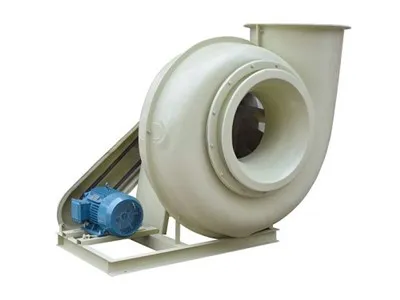
First off, let’s understand why electrical requirements are so important for explosion proof fans. These fans are used in environments where there’s a risk of explosive gases, vapors, or dust. If the electrical components of the fan aren’t properly designed and installed, they can become a source of ignition, which is obviously a huge no – no.
Voltage and Frequency
The voltage and frequency requirements for explosion proof fans are pretty much like any other electrical device, but with some extra safety considerations. Most of the time, we deal with standard voltages like 110V, 220V, or 440V, depending on the region and the specific application.
In North America, 110V and 220V are common, while in Europe and many other parts of the world, 220V – 440V is the norm. Frequency is usually 50Hz or 60Hz, again depending on the location.
It’s super important to make sure that the fan is rated for the voltage and frequency of the power supply in the area where it’ll be used. Using the wrong voltage or frequency can damage the fan and even pose a safety hazard. For example, if a fan rated for 220V is connected to a 110V supply, it might not work properly, and if it’s the other way around, it could overheat and cause an explosion.
Motor Protection
The motor is the heart of an explosion proof fan, and protecting it is crucial. There are several types of motor protection that are required for explosion proof fans.
Overload protection is a must. This prevents the motor from drawing too much current, which can cause overheating. If the motor gets too hot, it can ignite the surrounding explosive atmosphere. We usually use thermal overload relays to protect the motor. These relays sense the temperature of the motor and cut off the power if it gets too high.
Short – circuit protection is also essential. A short circuit can cause a huge surge of current, which can damage the motor and other electrical components. Circuit breakers are commonly used for short – circuit protection. They automatically trip when there’s a short circuit, cutting off the power to the fan.
Wiring and Conduit
The wiring and conduit used for explosion proof fans need to meet strict safety standards. The wiring should be made of materials that can withstand the harsh conditions in explosive environments. It should be insulated properly to prevent electrical arcing, which can be a source of ignition.
Conduit is used to protect the wiring. It should be made of a material that is strong and resistant to corrosion. Metal conduit is a popular choice because it provides good physical protection for the wiring. The conduit should also be properly sealed to prevent the entry of explosive gases or dust.
When installing the wiring and conduit, it’s important to follow the manufacturer’s instructions and local electrical codes. Any mistakes in the installation can compromise the safety of the fan.
Grounding
Grounding is another critical electrical requirement for explosion proof fans. Grounding helps to prevent the buildup of static electricity, which can cause sparks. In an explosive environment, even a small spark can be extremely dangerous.
The fan should be properly grounded to a reliable grounding system. This usually involves connecting the metal frame of the fan to a grounding rod or a grounding busbar. The grounding conductor should be of an appropriate size to ensure that it can carry any fault current safely.
Certification
Explosion proof fans need to be certified to meet certain safety standards. In the United States, the National Electrical Code (NEC) and the Underwriters Laboratories (UL) have specific requirements for explosion proof equipment. In Europe, the ATEX directive sets the standards for explosion proof equipment.
These certifications ensure that the fan has been tested and meets the necessary safety requirements. When you’re buying an explosion proof fan, make sure it has the appropriate certifications. This gives you peace of mind that the fan is safe to use in your explosive environment.
Hazardous Location Classification
Before choosing an explosion proof fan, you need to know the hazardous location classification of the area where it’ll be used. There are different classes and divisions of hazardous locations, depending on the type of explosive material present and the likelihood of its presence.
Class I locations are those where flammable gases or vapors are present. Class II locations involve combustible dust, and Class III locations have ignitable fibers or flyings. Each class is further divided into divisions, which indicate the frequency and duration of the presence of the explosive material.
The electrical requirements for the fan will depend on the hazardous location classification. For example, a fan used in a Class I, Division 1 location will have more stringent requirements than one used in a Class I, Division 2 location.
Control Systems
The control system for an explosion proof fan also needs to meet specific electrical requirements. The control system should be able to start and stop the fan safely, and it should also be able to monitor the fan’s operation.
Some control systems include features like speed control, which can be useful in certain applications. The control system should be housed in an explosion proof enclosure to prevent any electrical sparks from igniting the surrounding atmosphere.
Maintenance and Inspection
Regular maintenance and inspection of the electrical components of an explosion proof fan are essential. The wiring, motor, and control system should be checked for any signs of wear or damage. Any loose connections or frayed wires should be repaired immediately.
The fan should also be tested regularly to make sure it’s operating safely. This includes checking the motor’s performance, the grounding system, and the protection devices.
In conclusion, the electrical requirements for explosion proof fans are complex and strict, but they’re all in place to ensure the safety of the people and the environment. As a supplier of explosion proof fans, I can help you choose the right fan for your specific application and make sure it meets all the necessary electrical requirements.

If you’re in the market for explosion proof fans, or if you have any questions about the electrical requirements, don’t hesitate to reach out. I’m here to assist you in finding the perfect solution for your needs. Let’s have a chat and see how we can work together to keep your explosive environments safe.
Centrifugal Fans References:
- National Electrical Code (NEC)
- Underwriters Laboratories (UL) standards
- ATEX directive
Shandong Qiyue Fan Co., Ltd.
With abundant experience, we are one of the most reliable explosion proof fans manufacturers and suppliers in China. Please feel free to wholesale high quality explosion proof fans made in China here from our factory. We also accept customized orders.
Address: Dongchen Industrial Park, Zhoucun District, Zibo, Shandong, China
E-mail: sales@qiyuefan.com
WebSite: https://www.qiyuefan.com/
