If you’ve ever had to smooth out a weird scratch on a guitar body, polish a small metal part for a DIY project, or even fix a chipped edge on a ceramic mug, chances are you’ve reached for some kind of abrasive film. But if you’ve never heard of silicon carbide abrasive film, let me break it down—especially since I’m the guy who supplies this stuff to small shops, big manufacturers, and everyone in between. Let’s skip the stuffy textbook definitions and get real about what it actually is, why it’s different from the sandpaper your dad kept in the garage, and why you might actually care about it. Abrasive Film
First off, let’s start with the basics: silicon carbide (SiC) isn’t some fancy new chemical we cooked up in a lab. It’s a naturally occurring compound of silicon and carbon, right? But the SiC we use for abrasive film isn’t mined from the ground—it’s engineered to be super consistent. That’s a big deal, by the way. Mined materials can have tiny impurities, but engineered SiC is hard, sharp, and uniform every single time. And when I say hard, I mean it’s one of the toughest abrasions out there—only a couple of substances (like diamond) are harder. That’s why it works so well on stuff sandpaper struggles with.
So what makes it “abrasive film” instead of just abrasive paper? Here’s the big difference: regular sandpaper is paper backed, right? It’s flimsy, it tears if you press too hard, and it’s prone to stretching when you use a power tool. Abrasive film, on the other hand, has a flexible plastic backing—usually polyester, which is that thin, durable stuff you see in clear food containers or old VHS cases. It’s stretch-resistant, doesn’t tear easy, and lays flat on whatever tool you’re using, whether it’s a handheld sander, a rotary tool, or even a polishing machine. The SiC particles are bonded to that plastic backing with a special resin—nothing messy, no loose grit flying everywhere. The grit size is sorted really precisely, too. We’re talking numbers like 60 (super coarse, for big material removal) all the way up to 20000 (ultra-fine, for mirror finishes). No lumps, no inconsistent grit counts—just uniform particles that cut evenly.
Now, let’s talk about where this stuff actually gets used, because if you’re a hobbyist, you’ve probably used it without even knowing. I supply SiC abrasive film to a ton of different folks: guitar builders who need to smooth wood without leaving scratches that show up in the finish; watchmakers who polish tiny metal parts so they look brand new; automotive detailers who fix swirl marks on car paint without damaging the clear coat; even people who work with semiconductors—yeah, that’s a big one. Semiconductor chips are made of silicon, so you need an abrasive that’s hard enough to cut silicon but gentle enough not to mess up the tiny circuits. That’s SiC film exactly. It’s also used in aerospace, for polishing turbine blades, and in medical device manufacturing, where precision and cleanliness are non-negotiable.
Wait, but why is silicon carbide better than the old standbys, like aluminum oxide or even regular sandpaper? Let’s do a quick, real-world comparison. If you’re sanding a soft material like wood, aluminum oxide or even sandpaper works okay. But if you’re working with hard stuff—metal, ceramic, glass, even plastic composites—SiC is way better. Its sharp edges don’t round off as quickly as other abrasives, so it cuts longer. You don’t have to switch out your sanding sheet every 5 minutes, which saves time and money. Also, SiC is chemically inert, right? It doesn’t react with wet materials or oils, so if you’re doing wet sanding (super common for automotive paint jobs or glass polishing), it holds up way better. Regular sandpaper turns mushy when it gets wet. Aluminum oxide might work, but it’s more prone to clogging with fine particles, especially when you’re working with really smooth surfaces.
Here’s something most people don’t tell you: not all SiC abrasive film is the same. I’ve seen cheap versions that use low-grade SiC, or a flimsy backing that stretches too much. Those are garbage—they leave uneven scratches, wear out in 2 minutes, and waste you time and material. The good stuff, like what I supply, has a few key features that make a difference. First, the resin bond: it’s a special premium resin that holds the SiC particles tight, even when you’re using high pressure or a power sander. Second, the backing is a thick polyester, not the thin stuff you get in discount sanding sheets. It’s flexible enough to wrap around curved parts (like a guitar neck or a car body panel) but stiff enough not to flop around. Third, we grade the grit so consistently that every sheet of 1000-grit SiC film is exactly the same coarseness, sheet after sheet. No surprises when you’re working on a big project that needs uniform results.
Let’s get into how to actually use it, because that’s where a lot of people mess up. First, pick the right grit. If you’re starting with a rough surface, don’t jump from 60 grit to 2000 grit all at once. Work your way up: 60 to 120 to 240 to 400, etc. If you skip grits, you’ll end up with deep scratches you can’t buff out. Second, for hard materials, use light to medium pressure. The SiC is hard, so you don’t need to mash it into the surface—let the abrasive do the work. Too much pressure will just wear out the film faster and might even damage the part you’re working on. Third, if you’re doing wet sanding (highly recommended for paint, glass, or metal), use water or a mild soapy solution to keep the surface clean. This prevents clogging and keeps the SiC particles sharp. Fourth, for curved surfaces, you can even cut the film into smaller pieces with scissors or a utility knife—since it’s plastic backed, it doesn’t fray like paper, so the edges stay sharp and don’t leave weird marks.
I’ve had customers come to me saying they tried regular sandpaper and it left scratches on a custom knife they were making, or a guitar finish that turned out uneven. Once they switch to SiC abrasive film, they’re hooked. Last month, a small guitar shop in Nashville reached out to me because they were using a competitor’s SiC film and the grit kept falling off mid-job. We sent them a sample of our premium grade, and they texted me a pic a week later of a custom acoustic guitar that looked flawless—said they finished the sanding in half the time they used to, and the finish went on way smoother. That’s the stuff I love about this product: it solves real, frustrating problems for people who care about quality.
Now, let’s address some common myths. First myth: SiC abrasive film is only for industrial use. Nope—hobbyists, makers, and DIYers use it all the time. A lot of hardware stores carry it now, but if you can’t find the good stuff, you can get it from suppliers like me and cut it to size for your projects. Second myth: it’s way more expensive than regular sandpaper. Sure, a sheet of 20000-grit SiC film is more than a sheet of cheap sandpaper, but it lasts way longer. If you’re working on a big project, the cost per square inch is actually lower, because you don’t go through sheets every 10 minutes. Third myth: it’s only for wet sanding. No, it works great for dry sanding too—just works best for dry, light tasks. Dry sanding with SiC film gives less dust than regular sandpaper, which is a bonus for your lungs and your shop.
What’s next for SiC abrasive film? I’ve been working with a few research labs lately on ultra-fine grit versions for new tech—like polishing tiny components for AI chips or medical implants. But the core of it is still the same: hard, consistent abrasive on a flexible backing. The demand is only going up, too, because more industries are moving towards precision manufacturing, and SiC is perfect for that. Even hobbyists are getting more into detailed projects—custom 3D prints, small engine repairs, jewelry making—and they’re realizing SiC film is way better for those jobs.
If you’re someone who’s ever struggled with uneven sanding, scratched parts, or abrasive materials that wear out too fast, SiC abrasive film is worth checking out. I know a lot of suppliers out there, but here’s the thing: I don’t do cheap garbage. I test every batch before I send it out, and I work with customers to figure out exactly what grit and backing they need, whether it’s for a one-off DIY project or a big industrial run. No confusing jargon, no hidden fees, just a reliable product that gets the job done right.

If you’ve tried SiC abrasive film before and loved it, or if you’re curious to test a sample for your next project, reach out to me. I can send you small test sheets to try, or talk through what grit you need for whatever you’re working on. No pressure, no salesy talk—just real advice from someone who’s been in this business for years and knows this product inside and out. Don’t settle for sandpaper that tears or leaves scratches. Upgrade to silicon carbide abrasive film, and you’ll see the difference immediately.
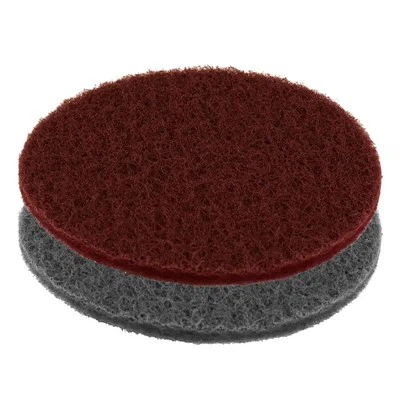
Sanding Sponge Disc Reference
- ASM International. (2020). Properties and Applications of Silicon Carbide Abrasives. Materials Park, OH.
- Modern Machine Shop. (2021). “Abrasive Films: The Flexible Solution for Precision Finishing.” Cincinnati, OH.
- Guitar Builder’s Association of America. (2019). Finishing Techniques for Custom String Instruments. Nashville, TN.
- National Association for Surface Finishing. (2022). Abrasive Material Guide: Selection and Application. Alexandria, VA.
Jiangxi Golden Abrasives Co., Ltd.
Jiangxi Golden Abrasives Co., Ltd. is one of the most professional abrasive film manufacturers and suppliers in China, featured by quality products and good service. Please rest assured to wholesale customized abrasive film from our factory. Contact us for free sample.
Address: Head Office Add: Block 4B, No.1177 Jiulong avenue, Honggutan district, Nanchang city, Jiangxi province, China
Factory Add: Xin’an Industrial Park, Hengshanqiao Town, Wujin District, Changzhou City, Jiangsu Province, CN
E-mail: sales@goldenabrasives.com
WebSite: https://www.golden-abrasives.com/
