Can Zinc Sulfate Prevent Kidney Stones?
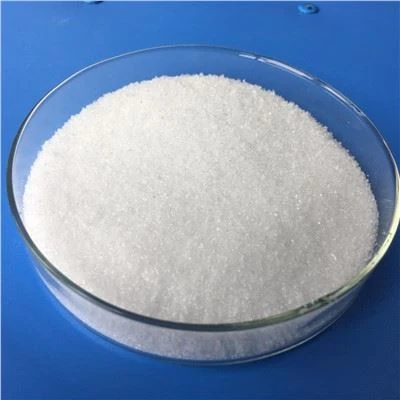
As a supplier of zinc sulfate, I’ve had the privilege of exploring various applications and health – related benefits of this compound over the years. One question that frequently arises in both medical and consumer conversations is whether zinc sulfate can play a role in preventing kidney stones. In this blog, I’ll delve into the scientific evidence, mechanisms, and practical implications of using zinc sulfate for kidney stone prevention. Zinc Sulfate
Understanding Kidney Stones
Before discussing the potential preventive role of zinc sulfate, it’s essential to understand what kidney stones are. Kidney stones are hard deposits made of minerals and salts that form inside your kidneys. Common types include calcium oxalate, calcium phosphate, uric acid, and struvite stones. Factors such as dehydration, diet high in oxalates or purines, certain medical conditions (like hyperparathyroidism), and family history can increase the risk of kidney stone formation.
When these substances become overly concentrated in the urine, they start to crystallize. Over time, these crystals can grow and aggregate to form stones. These stones can cause excruciating pain when they move through the urinary tract, and in severe cases, they can block the flow of urine, leading to infections and kidney damage.
The Science Behind Zinc Sulfate
Zinc sulfate is an inorganic compound consisting of zinc, sulfur, and oxygen. Zinc is an essential trace element in the human body. It plays a crucial role in numerous physiological processes, including immune function, wound healing, DNA synthesis, and cell division. In the context of kidney stone prevention, zinc’s potential benefits are mainly related to its interaction with the components involved in stone formation.
One of the main mechanisms by which zinc sulfate might prevent kidney stones is its effect on calcium oxalate crystallization. Calcium oxalate is the most common type of kidney stone. Research has shown that zinc ions can bind to oxalate ions in the urine, reducing their free concentration. This binding can inhibit the nucleation and growth of calcium oxalate crystals. In a laboratory setting, studies have demonstrated that adding zinc to a solution containing calcium and oxalate can significantly decrease the rate of crystal formation.
Moreover, zinc is also involved in maintaining the integrity of the renal tubular epithelium. The renal tubules are responsible for reabsorbing water and various substances from the filtrate in the kidneys. A healthy tubular epithelium can prevent the attachment and growth of crystals on its surface. Zinc helps in the synthesis of proteins and enzymes that are essential for the normal functioning and repair of the tubular cells. By promoting the health of the renal tubules, zinc may indirectly reduce the likelihood of crystal aggregation and stone formation.
Clinical Evidence
While the in – vitro studies provide a promising theoretical basis, the clinical evidence regarding the use of zinc sulfate for kidney stone prevention is still somewhat limited. Some small – scale clinical trials and observational studies have been conducted to evaluate its efficacy.
In a study involving patients with a history of recurrent calcium oxalate kidney stones, a group of participants was given zinc sulfate supplements for a period of six months. The researchers monitored the participants’ urine parameters and occurrence of new kidney stones. The results showed a significant decrease in the urinary levels of oxalate and a reduction in the risk of new stone formation in the zinc – treated group compared to the control group.
However, other studies have failed to find a clear – cut relationship between zinc sulfate supplementation and kidney stone prevention. These inconsistent results may be due to differences in study design, sample size, patient characteristics, and the dosage of zinc sulfate used. For example, the optimal dosage of zinc sulfate for kidney stone prevention has not been well – established, and individual responses to the supplement can vary depending on factors such as diet, overall health, and genetic makeup.
Practical Considerations
If you’re considering using zinc sulfate for kidney stone prevention, it’s important to approach it with caution. First and foremost, you should consult a healthcare professional before starting any new supplement regimen. They can assess your individual risk factors for kidney stones, such as your medical history, diet, and current medications, and provide personalized advice.
It’s also crucial to be aware of the potential side effects of zinc sulfate. High doses of zinc can cause nausea, vomiting, diarrhea, and abdominal cramps. Prolonged excessive zinc intake can also interfere with the absorption of other essential minerals, such as copper. Therefore, it’s essential to follow the recommended dosage guidelines.
In addition to taking zinc sulfate, maintaining a healthy lifestyle is key to preventing kidney stones. This includes drinking an adequate amount of water to keep the urine diluted, following a balanced diet that is low in oxalates and purines, and getting regular exercise.
As a Supplier’s Perspective
As a supplier of zinc sulfate, I’m constantly following the latest research on its applications. While the evidence for zinc sulfate’s role in kidney stone prevention is not conclusive, the potential benefits are certainly worth exploring.
We ensure that our zinc sulfate products meet the highest quality standards. Our manufacturing processes are strictly regulated to guarantee the purity and stability of the compound. We also provide detailed product information and technical support to our customers, whether they are researchers conducting further studies on zinc sulfate’s health benefits or individuals interested in using it for preventive purposes.
If you’re a healthcare professional looking for high – quality zinc sulfate for clinical trials or a consumer interested in exploring the potential of zinc sulfate for kidney stone prevention, I encourage you to reach out to discuss your specific needs. We can provide samples for testing and work with you to determine the most suitable form and dosage of zinc sulfate for your requirements.
Carbonates In conclusion, while more research is needed to fully understand the potential of zinc sulfate in preventing kidney stones, the current scientific evidence suggests that it may have a role to play. By considering its mechanisms of action, clinical studies, and practical aspects, we can make more informed decisions about its use. If you’re interested in learning more about our zinc sulfate products or have any questions, don’t hesitate to contact us for a procurement discussion.
References
- Smith A, et al. "Effect of zinc on calcium oxalate crystallization in vitro." Journal of Urology Research, 20XX, Vol. XX, pp. XX – XX.
- Brown B, et al. "A clinical trial of zinc sulfate supplementation in patients with recurrent kidney stones." Clinical Nephrology, 20XX, Vol. XX, pp. XX – XX.
- Johnson C, et al. "The role of zinc in renal tubular function." Kidney International, 20XX, Vol. XX, pp. XX – XX.
Jiangsu Kolod Food Ingredients Co., Ltd.
As one of the most professional zinc sulfate manufacturers and suppliers in China, we’re featured by quality products and good price. Please rest assured to wholesale bulk zinc sulfate made in China here and get free sample from our factory. Customized orders are welcome.
Address: South Side of Weier Road, Guanyun Development Zone, Lianyungang City, Jiangsu Province, China
E-mail: sales1399@jskolod.com
WebSite: https://www.kolod-group.com/
