As a supplier in the field of magnesium die casting, I’ve witnessed firsthand the pivotal role that die design plays in the entire process. Magnesium die casting is a manufacturing process that involves forcing molten magnesium under high pressure into a mold cavity. The quality, efficiency, and cost – effectiveness of this process are significantly influenced by the die design. Magnesium Die Casting

Precision and Quality Assurance
One of the primary roles of die design in magnesium die casting is to ensure precision and high – quality products. The die serves as the blueprint for the final product, and its design determines the shape, dimensions, and surface finish of the cast magnesium part. A well – designed die can produce parts with tight tolerances, which is crucial for applications in industries such as automotive, aerospace, and electronics.
In the automotive industry, for example, magnesium components need to fit precisely into the overall vehicle structure. A minor deviation in the dimensions of a die – cast magnesium part can lead to assembly problems, reduced performance, and even safety issues. By using advanced computer – aided design (CAD) and simulation techniques, die designers can create dies that can achieve the necessary precision. They can simulate the flow of molten magnesium into the die cavity, predict potential defects such as air traps, porosity, and uneven cooling, and make adjustments to the die design to eliminate these issues.
Surface finish is another important aspect of quality in magnesium die casting. A good die design can minimize surface imperfections such as flash, burrs, and cracks. The die’s surface texture, the gating system, and the ejection mechanism all contribute to the final surface quality of the cast part. For instance, a smooth – surfaced die with a well – designed gating system can ensure a uniform flow of molten magnesium, resulting in a high – quality surface finish.
Efficiency and Productivity
Die design also has a profound impact on the efficiency and productivity of the magnesium die – casting process. An optimized die design can reduce the cycle time of each casting, which means more parts can be produced in a given amount of time. This is achieved through several design features.
Firstly, the gating system is a critical part of the die design. A well – designed gating system allows the molten magnesium to enter the die cavity quickly and smoothly. It can minimize the turbulence and oxidation of the molten metal, which not only improves the quality of the cast part but also reduces the time required for the filling process. For example, a runner system that is properly sized and shaped can ensure efficient transfer of the molten metal from the shot chamber to the die cavity.
Secondly, the cooling system in the die is essential for controlling the solidification rate of the molten magnesium. A well – designed cooling system can evenly cool the cast part, reducing the risk of thermal stress and distortion. By optimizing the cooling channels in the die, the solidification time can be shortened, and the cycle time of the casting process can be reduced. This is especially important in high – volume production, where even a small reduction in cycle time can lead to significant productivity gains.
In addition, the ease of die assembly and disassembly is an important consideration in die design. A well – designed die can be quickly assembled and disassembled, which is beneficial for maintenance, repair, and changeovers. This reduces the downtime of the die – casting machine and further improves the overall productivity of the manufacturing process.
Cost – Effectiveness
Cost – effectiveness is a major concern for any manufacturing process, and die design can have a significant impact on the cost of magnesium die casting. A good die design can reduce the cost of production in several ways.
The initial cost of die manufacturing is an important factor. By using efficient design methods and materials, the cost of die production can be minimized. For example, using advanced machining techniques such as CNC machining can reduce the production time and cost of the die. Additionally, selecting the right die material is crucial. High – quality die materials can withstand the high – pressure and high – temperature conditions of the die – casting process, reducing the frequency of die replacement and thus lowering the long – term cost.
Another aspect of cost – effectiveness is the reduction of scrap rate. A well – designed die can minimize the occurrence of defects in the cast parts, resulting in a lower scrap rate. Defective parts not only waste materials but also require additional processing or disposal, which increases the overall cost of production. By optimizing the die design to prevent defects such as porosity, shrinkage, and misruns, the scrap rate can be significantly reduced, leading to cost savings.
Furthermore, a die design that is optimized for efficiency and productivity can also reduce the cost per part. As mentioned earlier, a well – designed die can reduce the cycle time and increase the production volume, which spreads the fixed cost of die manufacturing and machine operation over a larger number of parts, resulting in a lower cost per unit.
Innovation and Customization
In the highly competitive magnesium die – casting market, innovation and customization are key to success. Die design plays a crucial role in enabling innovation and customization.
Die designers can use the latest technologies and materials to create innovative die designs. For example, the use of new alloys for die materials can improve the die’s performance and durability. Additionally, the integration of smart sensors in the die can provide real – time data on the die – casting process, such as temperature, pressure, and flow rate. This data can be used to optimize the process, improve quality, and reduce costs.
Customization is also an important aspect of the magnesium die – casting industry. Different customers have different requirements for the shape, size, and properties of the die – cast magnesium parts. Die designers can work closely with customers to develop customized die designs that meet their specific needs. This may involve creating unique die cavities, gating systems, or cooling channels to achieve the desired product characteristics.
Conclusion
In conclusion, die design plays a multifaceted and indispensable role in magnesium die casting. It is the key to ensuring precision and high – quality products, improving efficiency and productivity, reducing costs, and enabling innovation and customization. As a magnesium die – casting supplier, we understand the importance of die design and invest heavily in our die – design capabilities.
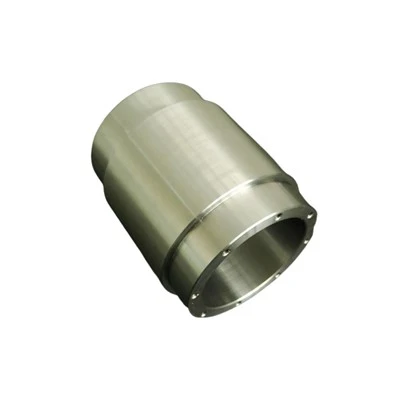
We have a team of experienced die designers who are proficient in using the latest CAD and simulation software to create optimized die designs. We also continuously explore new materials and technologies to improve the performance of our dies. Whether you are in the automotive, aerospace, electronics, or any other industry that requires high – quality magnesium die – cast parts, we are confident that our die – design expertise can help you achieve your manufacturing goals.
Zinc Die Casting If you are interested in our magnesium die – casting services and would like to discuss your specific requirements, please feel free to contact us. We look forward to working with you to create innovative and high – quality magnesium die – cast products.
References
- Campbell, J. (2003). Casting: Second Edition. Butterworth – Heinemann.
- Flemings, M. C. (1974). Solidification Processing. McGraw – Hill.
- Kalpakjian, S., & Schmid, S. R. (2009). Manufacturing Engineering and Technology (5th ed.). Pearson Prentice Hall.
Shenzhen Shunhaoda Technology Co., Ltd.
With abundant experience, we are one of the most professional magnesium die casting manufacturers and suppliers in China. If you’re going to buy bulk high quality magnesium die casting made in China, welcome to get free sample from our factory. Also, custom service is available.
Address: 902, Building A3, Tianrui Industrial Park, No. 35 Fuyuan 1st Road, Zhancheng Community, Fuhai Street, Bao’an District, Shenzhen
E-mail: sales@shdindustry.com
WebSite: https://www.shd-industry.com/
