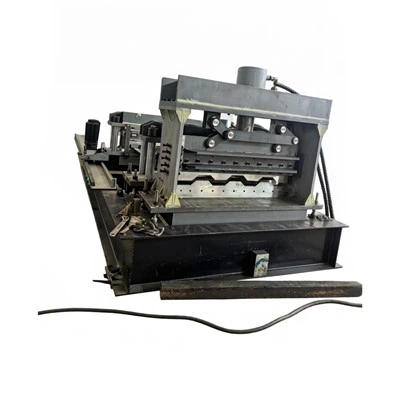
Pipe bending is a crucial process in various industries, including construction, automotive, and manufacturing. However, one of the most common challenges faced during this process is pipe deformation. As a reputable pipe bending machine supplier, I understand the importance of preventing pipe deformation to ensure the quality and functionality of the bent pipes. In this blog post, I will share some valuable insights and practical tips on how to prevent pipe deformation during the bending process with a pipe bending machine. Pipe Bending Machine
Understanding the Causes of Pipe Deformation
Before diving into the prevention methods, it’s essential to understand the root causes of pipe deformation. Several factors can contribute to this issue, including:
- Improper Bending Radius: Bending a pipe with a radius that is too small for its diameter can cause excessive stress on the pipe wall, leading to deformation.
- Incorrect Clamping: If the pipe is not properly clamped in the bending machine, it can move or twist during the bending process, resulting in uneven deformation.
- Insufficient Wall Thickness: Pipes with thin walls are more prone to deformation, especially when bent at sharp angles.
- Poor Material Quality: Low-quality pipes may have inconsistent wall thickness or internal defects, making them more susceptible to deformation during bending.
- Inadequate Lubrication: Lack of proper lubrication between the pipe and the bending tool can increase friction, causing the pipe to deform.
Choosing the Right Pipe Bending Machine
Selecting the appropriate pipe bending machine is the first step in preventing pipe deformation. Consider the following factors when choosing a machine:
- Capacity: Ensure that the machine’s bending capacity matches the size and thickness of the pipes you plan to bend. Using a machine with insufficient capacity can lead to deformation.
- Bending Method: Different bending methods, such as rotary draw bending, roll bending, and mandrel bending, have varying effects on pipe deformation. Choose a method that is suitable for your specific application.
- Control System: A machine with a precise control system allows you to set the bending angle, radius, and speed accurately, reducing the risk of deformation.
- Tooling: The quality and design of the bending tooling play a crucial role in preventing deformation. Invest in high-quality tooling that is specifically designed for the type of pipes you are bending.
Optimizing the Bending Process
Once you have selected the right pipe bending machine, it’s time to optimize the bending process to prevent deformation. Here are some key steps to follow:
- Prepare the Pipe: Before bending, make sure the pipe is clean, straight, and free of any defects. Remove any burrs or sharp edges that could affect the bending process.
- Determine the Bending Radius: Calculate the appropriate bending radius based on the pipe diameter, wall thickness, and material properties. Avoid bending the pipe with a radius that is too small, as this can cause excessive stress and deformation.
- Use Proper Clamping: Secure the pipe firmly in the bending machine using the appropriate clamping device. Make sure the clamping force is evenly distributed to prevent the pipe from moving or twisting during bending.
- Apply Lubrication: Apply a suitable lubricant to the pipe and the bending tool to reduce friction and prevent deformation. Choose a lubricant that is compatible with the pipe material and the bending process.
- Control the Bending Speed: Adjust the bending speed according to the pipe material, diameter, and wall thickness. Bending the pipe too quickly can cause excessive stress and deformation, while bending too slowly can result in uneven bending.
- Monitor the Bending Process: Keep a close eye on the bending process to ensure that the pipe is bending smoothly and evenly. If you notice any signs of deformation, such as wrinkling, buckling, or flattening, stop the bending process immediately and make the necessary adjustments.
Using Mandrels and Other Support Tools
In some cases, using mandrels and other support tools can help prevent pipe deformation during bending. Here’s how:
- Mandrels: A mandrel is a solid rod that is inserted into the pipe during bending to support the inner wall and prevent it from collapsing. Mandrels are particularly useful when bending pipes with thin walls or large diameters.
- Wiper Dies: Wiper dies are used in conjunction with mandrels to wipe the outer surface of the pipe during bending, reducing friction and preventing deformation.
- Backing Dies: Backing dies are placed behind the pipe to support the outer wall and prevent it from stretching or thinning during bending.
- Anti-Crush Devices: Anti-crush devices are used to prevent the pipe from being crushed or flattened during bending. These devices can be adjusted to apply the right amount of pressure to the pipe, ensuring a smooth and uniform bend.
Conducting Quality Checks
After bending the pipe, it’s important to conduct quality checks to ensure that it meets the required specifications and is free of deformation. Here are some common quality checks to perform:
- Visual Inspection: Inspect the bent pipe visually for any signs of deformation, such as wrinkling, buckling, or flattening. Check the surface finish for any scratches or marks that could affect the pipe’s performance.
- Dimensional Measurement: Measure the bent pipe’s dimensions, including the bending radius, angle, and length, using a caliper or a micrometer. Compare the measurements with the required specifications to ensure that the pipe is within tolerance.
- Wall Thickness Measurement: Use an ultrasonic thickness gauge to measure the wall thickness of the bent pipe at various points. This will help you determine if the wall thickness has been reduced or increased during bending, which could indicate deformation.
- Non-Destructive Testing (NDT): Non-destructive testing methods, such as ultrasonic testing, magnetic particle testing, and dye penetrant testing, can be used to detect internal defects or damage in the bent pipe. These tests are particularly useful for detecting defects that are not visible to the naked eye.
Conclusion
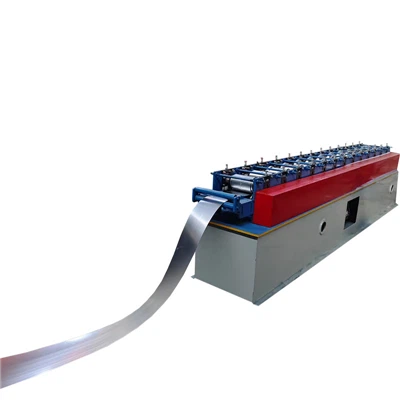
Molding Main Unit Preventing pipe deformation during the bending process is essential to ensure the quality and functionality of the bent pipes. By understanding the causes of pipe deformation, choosing the right pipe bending machine, optimizing the bending process, using mandrels and other support tools, and conducting quality checks, you can minimize the risk of deformation and produce high-quality bent pipes. As a pipe bending machine supplier, I am committed to providing my customers with the best possible solutions and support to help them achieve their bending goals. If you have any questions or need further assistance, please don’t hesitate to contact me for a consultation. I look forward to discussing your specific needs and finding the perfect pipe bending solution for your business.
References
- ASME B31.1: Power Piping Code
- ASTM A53: Standard Specification for Pipe, Steel, Black and Hot-Dipped, Zinc-Coated, Welded and Seamless
- ISO 1127: Metallic Materials – Wrought Steel Tubes – Dimensions and Masses per Unit Length
- Pipe Bending Handbook: A Practical Guide to Pipe Bending Techniques and Equipment
Wuxi Yuanding Machinery Manufacturing Co., Ltd.
We’re well-known as one of the leading pipe bending machine manufacturers and suppliers in China, also support customized service. Please feel free to buy advanced pipe bending machine made in China here from our factory. For pricelist, contact us now.
Address: Yaguang Industrial Park, No. 88 Chaoyang South Road, Xishan District, Wuxi City, Jiangsu Province
E-mail: 13861798466@163.com
WebSite: https://www.wxyuanding.com/
