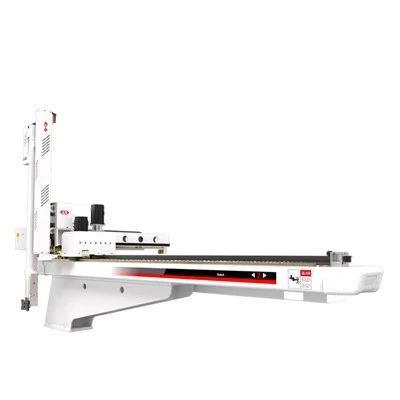
As a supplier of CNC Robots, I’ve seen firsthand the impact that these machines can have on manufacturing processes. While CNC Robots offer numerous advantages, such as high precision, efficiency, and repeatability, they also generate a significant amount of waste. This waste includes off – cuts of materials, coolant, lubricants, and obsolete tools. Reducing this waste is not only environmentally responsible but can also lead to cost savings and improved operational efficiency. In this blog, I’ll share some effective waste – reduction strategies for CNC Robots. CNC Robot
1. Material Optimization
One of the most significant sources of waste in CNC machining is material off – cuts. When a CNC Robot cuts or shapes a piece of raw material, there are often leftover pieces that are considered waste. To reduce this waste, we can implement several material optimization strategies.
First, advanced nesting software can be used. This software analyzes the shapes and sizes of the parts to be machined and arranges them on the raw material in the most space – efficient way possible. By maximizing the use of the raw material sheet, we can significantly reduce the amount of off – cut waste. For example, if we are manufacturing multiple small parts from a large metal sheet, the nesting software can calculate the best layout so that there are minimal gaps between the parts, thus reducing the amount of unused material.
Second, we can consider using recycled or reclaimed materials. Many industrial materials, such as metals and plastics, can be recycled and reused. By sourcing recycled materials for CNC machining, we not only reduce the demand for virgin materials but also contribute to a more circular economy. Additionally, using recycled materials often comes at a lower cost, which can be a bonus for our customers.
2. Tool Management
Tools are an essential part of CNC Robots, but they can also be a source of waste if not managed properly. Dull or damaged tools can lead to poor – quality machining, which may result in parts being scrapped. To reduce tool – related waste, we need to implement a comprehensive tool management system.
Regular tool inspection is crucial. By inspecting tools at regular intervals, we can detect signs of wear and damage early. This allows us to replace the tools before they cause significant problems, such as poor surface finish or incorrect part dimensions. For example, a worn – out drill bit may produce holes that are larger than the specified size, leading to the rejection of the part.
In addition to inspection, proper tool storage is also important. Tools should be stored in a clean, dry, and organized environment to prevent corrosion and damage. Using tool racks or cabinets with dedicated spaces for each tool can help ensure that tools are stored correctly and that they are easy to find when needed.
Another aspect of tool management is tool regrinding or reconditioning. Instead of immediately discarding a dull tool, we can send it for regrinding or reconditioning. Many types of cutting tools, such as end mills and drills, can be re – sharpened multiple times, extending their lifespan and reducing the amount of tool waste.
3. Coolant and Lubricant Management
Coolants and lubricants play a vital role in CNC machining. They help to reduce friction, dissipate heat, and improve the surface finish of the machined parts. However, improper management of coolants and lubricants can lead to waste and environmental issues.
To reduce coolant and lubricant waste, we can implement a coolant recycling system. This system filters and purifies the used coolant, removing chips, debris, and other contaminants. The recycled coolant can then be reused in the machining process, reducing the need for fresh coolant. A well – designed coolant recycling system can significantly extend the lifespan of the coolant, saving both money and resources.
Proper coolant and lubricant application is also important. Using the right amount of coolant and lubricant at the right time can improve its effectiveness and reduce waste. For example, instead of continuously flooding the machining area with coolant, we can use a minimum quantity lubrication (MQL) system. MQL systems apply a small, precise amount of lubricant directly to the cutting zone, which can reduce coolant consumption while still providing adequate lubrication and cooling.
4. Process Optimization
Optimizing the CNC machining process can also lead to significant waste reduction. By analyzing the machining operations and making adjustments, we can improve the overall efficiency of the process and reduce the amount of waste generated.
One way to optimize the process is to reduce the number of machining passes. Each machining pass generates additional waste in the form of chips and cuts. By using more advanced cutting tools and techniques, we can often achieve the desired part dimensions and surface finish in fewer passes. For example, using high – speed machining (HSM) techniques can allow us to remove material more quickly and with greater precision, reducing the number of passes required.
Another aspect of process optimization is to minimize setup times. Long setup times can result in idle time for the CNC Robot, which is not only inefficient but can also lead to increased energy consumption. By using quick – change tooling systems and standardized setup procedures, we can reduce the time it takes to set up the machine for a new job, increasing productivity and reducing waste.
5. Employee Training
Employees are an important part of waste – reduction efforts. By providing comprehensive training to our operators, we can ensure that they are aware of the importance of waste reduction and have the skills and knowledge to implement the waste – reduction strategies effectively.
Training should cover topics such as material handling, tool management, coolant and lubricant use, and process optimization. Operators should be taught how to use the advanced software and equipment properly, as well as how to identify and address potential waste – generating issues.
In addition to technical training, we can also encourage employees to participate in waste – reduction initiatives. For example, we can set up a suggestion box for employees to share their ideas on how to reduce waste in the CNC machining process. By involving employees in the waste – reduction efforts, we can create a culture of sustainability within our organization.
Conclusion
Reducing waste in CNC Robots is a multi – faceted challenge that requires a combination of strategies, including material optimization, tool management, coolant and lubricant management, process optimization, and employee training. As a CNC Robot supplier, we are committed to helping our customers implement these waste – reduction strategies to not only improve their environmental performance but also to enhance their bottom line.
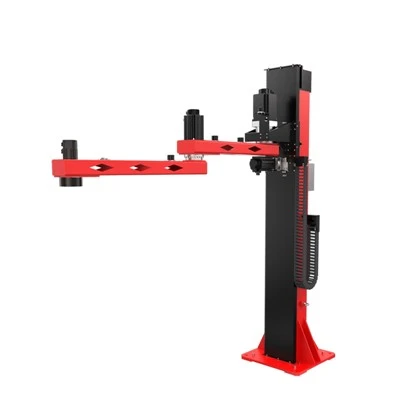
Palletizing Robot If you are interested in learning more about our CNC Robots and how they can help you reduce waste in your manufacturing processes, we would love to have a discussion with you. Please reach out to us for a more in – depth conversation about your specific needs and how we can tailor our solutions to meet them.
References
- Boothroyd, Geoffrey, Peter Dewhurst, and Winston Knight. Product Design for Manufacture and Assembly. CRC Press, 2011.
- Dornfeld, David A., et al. Handbook of Machining with Coolants. Springer, 2008.
- Shih, Alan J., ed. Handbook of Machining Processes. CRC Press, 2009.
Robotic Technology (GD) Co., Ltd.
Robotic Technology (GD) Co., Ltd. is one of the most experienced cnc robot manufacturers and suppliers in China, also supports custom service and one year warranty. Please feel free to wholesale CE approved cnc robot for sale here from our factory. Contact us for quotation.
Address: Room 102, No. 30,Hengfeng 2nd Road,Daguo, Changping Town, Dongguan City,Guangdong,China
E-mail: admin@iroboticplus.com
WebSite: https://www.rb-tic.com/
