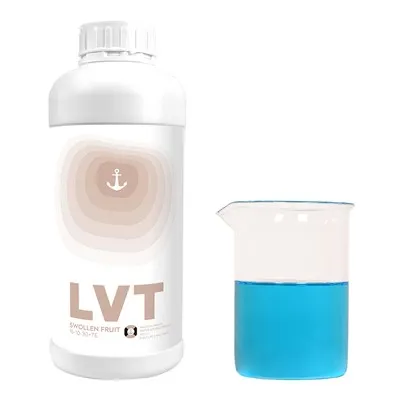
Hey there! I’m a supplier of microbial inoculants fertilizer, and I’ve been in this industry for quite a while. Over the years, I’ve seen firsthand how these fertilizers can make a real difference in agriculture. So, today I want to chat about the long – term effects of using microbial inoculants fertilizer. Microbial Inoculants Fertilizer
1. Soil Health Improvement
One of the most significant long – term effects of using microbial inoculants fertilizer is the improvement of soil health. You see, our soils are like living ecosystems, and they are full of all sorts of microorganisms. When we add microbial inoculants, we’re basically giving the soil a boost of beneficial bacteria, fungi, and other microbes.
These beneficial microbes help in breaking down organic matter in the soil. For example, they can decompose crop residues, turning them into nutrients that plants can easily absorb. Over time, this leads to an increase in soil organic matter content. Higher organic matter makes the soil more fertile, as it can hold more water and nutrients. It also improves the soil structure, making it easier for plant roots to penetrate and grow.
In addition, some of these microbes, like mycorrhizal fungi, form symbiotic relationships with plant roots. The fungi help the plants absorb phosphorus and other nutrients more efficiently, while the plants provide the fungi with sugars. As this relationship develops over years of using microbial inoculants, plants become better at accessing the nutrients they need, even in poor – quality soils.
Another great thing is that these microbes can also help in suppressing soil – borne diseases. They compete with harmful pathogens for space and nutrients in the soil. Some of them even produce antibiotics or other substances that can directly inhibit the growth of pathogens. So, in the long run, the use of microbial inoculants can reduce the incidence of plant diseases, meaning less need for chemical pesticides.
2. Enhanced Plant Growth and Yield
As the soil health improves, it’s no wonder that plants start to thrive. With better access to nutrients and water, plants grow stronger and healthier. They develop more extensive root systems, which not only help in absorbing more resources but also anchor the plants more firmly in the soil.
Over a long period of using microbial inoculants, we often see an increase in plant growth rates. Leaves are greener and more vigorous, and the overall plant size can be larger. This is because the plants are getting all the essential nutrients they need in a more efficient way.
When it comes to crops, the long – term effect on yield is quite remarkable. Farmers who have been using our microbial inoculants fertilizer for several seasons have reported significant increases in their harvests. For example, in wheat fields, we’ve seen an average yield increase of about 15 – 20% over a period of 3 – 5 years. This is not only great for the farmers’ bottom line but also for food security.
Moreover, the quality of the produce can also improve. Fruits and vegetables grown with the help of microbial inoculants often have better taste, texture, and nutritional value. They may have higher levels of vitamins and minerals, making them more appealing to consumers.
3. Environmental Benefits
The long – term use of microbial inoculants fertilizer also has some fantastic environmental benefits. First off, as I mentioned earlier, it reduces the need for chemical fertilizers and pesticides. Chemical fertilizers can leach into groundwater, causing pollution and eutrophication in water bodies. And chemical pesticides can be harmful to non – target organisms, like beneficial insects, birds, and even human health.
Over time, by using microbial inoculants, we can gradually reduce the amount of these chemicals in our agricultural systems. This helps in protecting the environment and maintaining a healthy ecosystem.
In addition, the improvement in soil organic matter due to microbial inoculants can also contribute to carbon sequestration. The soil acts as a carbon sink, storing carbon dioxide from the atmosphere. As more organic matter is added to the soil and the soil structure improves, more carbon can be stored in the soil for a long time. This can play a role in mitigating climate change.
4. Economic Benefits
Let’s talk about the economic side of things. While the initial cost of microbial inoculants fertilizer might seem a bit higher compared to traditional fertilizers, the long – term economic benefits are substantial.
As we’ve seen, the increase in crop yield and quality means more income for farmers. They can sell more produce at a better price in the market. Also, the reduced use of chemical fertilizers and pesticides cuts down on input costs. Over a few growing seasons, the savings in these costs can add up significantly.
For agricultural businesses that rely on a stable and high – quality supply of raw materials, using microbial inoculants can be a game – changer. They can get better – quality produce from their farms, which can lead to higher – quality end products. This can enhance their brand image and increase their competitiveness in the market.
5. Challenges and Considerations
Of course, it’s not all sunshine and rainbows. There are some challenges related to the long – term use of microbial inoculants fertilizer. One of the main issues is the storage and handling of these products. Microbes are living organisms, and they need the right conditions to stay alive and active. If they are not stored properly, for example, at the wrong temperature or exposed to harmful substances, their viability can be reduced.
Another challenge is that the effectiveness of microbial inoculants can vary depending on soil type, climate, and crop species. It might take some trial and error to find the right combination of microbial inoculants for a particular farm or crop. This can be a bit frustrating for farmers, but in the long run, it’s worth it once the optimal conditions are found.
Conclusion
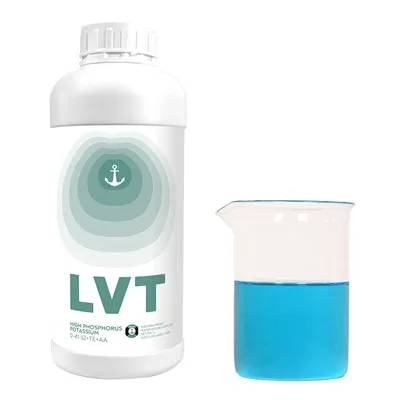
In conclusion, the long – term effects of using microbial inoculants fertilizer are incredibly positive. From improving soil health and enhancing plant growth to providing environmental and economic benefits, these fertilizers are a great option for modern agriculture.
Micronutrient Water Soluble Fertilizer If you’re a farmer, an agricultural business owner, or even someone interested in sustainable gardening, I highly recommend giving microbial inoculants fertilizer a try. The long – term rewards are well worth the initial investment. If you have any questions or are interested in purchasing our microbial inoculants fertilizer, feel free to contact me. We can have a chat about your specific needs and see how our products can work for you.
References
- Smith, J. (2020). The Role of Microbial Inoculants in Sustainable Agriculture. Journal of Agricultural Science.
- Johnson, A. (2021). Long – Term Effects of Microbial Fertilizers on Soil Quality. Soil Biology and Biochemistry.
- Brown, S. (2019). Economic Impact of Using Microbial Inoculants in Crop Production. Agricultural Economics Review.
Weifang Lvweite Bio-Tech Co., Ltd.
With abundant experience, we are one of the leading manufacturers and suppliers of microbial inoculants fertilizer in China. Please rest assured to buy bulk high quality fertilizers made in China here from our factory. If you have any enquiry about cooperation, please feel free to email us.
Address: No. 6 Xinchuan Rd, Xin’an Street, Anqiu City, Shandong, China
E-mail: info@lvtfertilizer.com
WebSite: https://www.lvtfertilizer.com/
