In the world of electronics manufacturing, flat carrier tapes play a crucial role in the efficient packaging and transportation of components. These tapes are designed to securely hold electronic parts in place during various stages of the production process, from assembly to shipment. One common question that arises among our customers, who are often involved in electronics assembly and related industries, is whether flat carrier tapes are compatible with different types of adhesives. As a leading supplier of flat carrier tapes, I am excited to delve into this topic and provide you with comprehensive insights. Flat Carrier Tapes
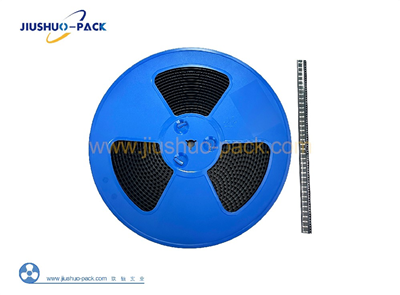
Importance of Adhesive Compatibility in Flat Carrier Tapes
Adhesives are used in a wide range of applications related to flat carrier tapes. They can be employed to attach the carrier tape to a reel, secure components within the tape cavities, or even seal the cover tape onto the carrier tape. The compatibility of the adhesive with the flat carrier tape is of utmost importance for several reasons.
First and foremost, proper adhesive compatibility ensures the integrity of the packaging. If the adhesive is not compatible with the carrier tape material, it may not adhere properly, leading to components falling out during handling or transportation. This can result in significant losses for manufacturers, both in terms of damaged components and production delays.
Secondly, compatibility affects the ease of use. In a high – volume production environment, ease of application and reliability are key. An incompatible adhesive may be difficult to apply, requiring additional processing steps or causing uneven adhesion. This can slow down the production line and increase labor costs.
Finally, environmental and regulatory requirements are becoming increasingly stringent. The adhesives used in combination with flat carrier tapes must be compliant with relevant standards, such as RoHS (Restriction of Hazardous Substances) and REACH (Registration, Evaluation, Authorization and Restriction of Chemicals). Adhesive compatibility can influence whether the overall packaging solution meets these regulatory requirements.
Types of Flat Carrier Tapes and Their Materials
Before discussing adhesive compatibility, it is essential to understand the different types of flat carrier tapes and the materials they are made from. Flat carrier tapes can be broadly categorized into two main types: embossed carrier tapes and punched carrier tapes.
Embossed carrier tapes are formed by thermoforming a plastic sheet to create cavities of a specific shape and size. These cavities are designed to hold electronic components securely. The materials commonly used for embossed carrier tapes include polystyrene (PS), polycarbonate (PC), and acrylonitrile butadiene styrene (ABS).
Punched carrier tapes, on the other hand, are created by punching holes or pockets in a plastic or paper substrate. These tapes are often used for smaller components or when a simpler packaging solution is required. Materials for punched carrier tapes can range from polyvinyl chloride (PVC) to paper – based materials.
Each of these materials has unique chemical and physical properties that can affect their compatibility with different adhesives.
Common Types of Adhesives Used with Flat Carrier Tapes
There are several types of adhesives commonly used in conjunction with flat carrier tapes. Here are some of the most prevalent ones:
Pressure – Sensitive Adhesives (PSAs)
Pressure – sensitive adhesives are perhaps the most widely used type of adhesive in the electronics packaging industry. PSAs adhere to surfaces with the application of light pressure and do not require heat or solvents to bond. They are often used for attaching cover tapes to carrier tapes and for holding the carrier tape onto reels. PSAs can be formulated from a variety of polymers, such as acrylics, rubbers, and silicones. Acrylic – based PSAs are known for their excellent weather resistance, clarity, and adhesion to a wide range of surfaces. Rubber – based PSAs, on the other hand, offer good flexibility and high initial tack. Silicone – based PSAs are ideal for high – temperature applications and can provide a clean release.
Hot – Melt Adhesives
Hot – melt adhesives are solid at room temperature and are melted by heat to become a liquid for application. Once cooled, they solidify and form a strong bond. They are commonly used for end – seaming carrier tapes, where the tape is joined at the ends to form a continuous loop. Hot – melt adhesives can be made from polymers such as ethylene – vinyl acetate (EVA), polyamides, and polyurethanes. EVA – based hot – melt adhesives are popular due to their low cost, good adhesion, and flexibility.
Epoxy Adhesives
Epoxy adhesives are known for their high strength and chemical resistance. They are often used in applications where a permanent and reliable bond is required, such as in the assembly of critical electronic components within the carrier tape. Epoxy adhesives are typically two – part systems that require mixing before application. They can be formulated to cure at room temperature or with the application of heat, depending on the specific requirements of the application.
Compatibility Factors
When determining the compatibility of flat carrier tapes with different adhesives, several factors need to be considered:
Chemical Composition
The chemical composition of the carrier tape material and the adhesive is the most fundamental factor in determining compatibility. For example, polar materials such as polycarbonate may have better compatibility with polar adhesives, such as acrylic – based PSAs. Non – polar materials like polyethylene may be more compatible with non – polar adhesives, such as rubber – based PSAs. Chemical reactions between the carrier tape and the adhesive can lead to issues such as delamination, discoloration, or a decrease in adhesion strength over time.
Surface Energy
Surface energy is another important factor. Adhesives generally adhere better to surfaces with higher surface energy. If the surface energy of the carrier tape is too low, the adhesive may not spread evenly or bond effectively. Surface treatment techniques, such as corona treatment or plasma treatment, can be used to increase the surface energy of the carrier tape and improve adhesive compatibility.
Temperature Resistance
The temperature conditions during production, storage, and use can significantly affect adhesive compatibility. For example, if the carrier tape and adhesive are exposed to high temperatures during the soldering process in electronics assembly, the adhesive must be able to withstand these temperatures without losing its adhesion properties. Some adhesives, such as silicone – based PSAs and certain high – temperature epoxy adhesives, are specifically designed for high – temperature applications.
Aging and Weathering
Over time, both the carrier tape and the adhesive can be affected by environmental factors such as humidity, UV radiation, and oxygen. Adhesive compatibility should be evaluated not only under initial application conditions but also over an extended period to ensure long – term performance. For outdoor applications or in environments with high humidity, adhesives with good weather resistance, such as acrylic – based PSAs, are preferred.
Testing for Adhesive Compatibility
To ensure the compatibility of flat carrier tapes with different adhesives, a series of tests can be conducted. These tests can help manufacturers determine the most suitable adhesive for their specific application.
Peel Strength Test
The peel strength test measures the force required to separate the adhesive – bonded carrier tape from the substrate or another surface. A higher peel strength indicates better adhesion. This test can be performed using a tensile testing machine under controlled conditions.
Shear Strength Test
The shear strength test evaluates the ability of the adhesive to resist forces parallel to the bond surface. It is important for applications where the carrier tape may be subjected to lateral forces. Similar to the peel strength test, the shear strength can be measured using a testing machine.
Aging Tests
Aging tests simulate the effects of long – term exposure to environmental factors. This can include accelerated aging tests, where the samples are exposed to high temperatures, humidity, or UV radiation for a shorter period to mimic years of normal use. After aging, the adhesion properties of the adhesive and the integrity of the bond are evaluated.
Our Expertise as a Flat Carrier Tape Supplier
As a leading supplier of flat carrier tapes, we understand the importance of adhesive compatibility in providing our customers with high – quality packaging solutions. We have a team of experts who are well – versed in the properties of different carrier tape materials and adhesives.
We work closely with our customers to understand their specific requirements, including the type of components to be packaged, the production environment, and any regulatory constraints. Based on this information, we can recommend the most suitable flat carrier tape and adhesive combination for their application.
In addition to our expertise in material selection, we also offer custom – made flat carrier tapes. We can tailor the design, size, and material of the carrier tape to meet the unique needs of our customers. We also have the capability to conduct in – house compatibility testing to ensure that the adhesive and carrier tape combination we provide meets the highest quality standards.
Conclusion and Call to Action
In conclusion, the compatibility of flat carrier tapes with different types of adhesives is a complex but crucial aspect of electronics packaging. By considering factors such as chemical composition, surface energy, temperature resistance, and aging, manufacturers can ensure that the adhesive – carrier tape combination provides reliable performance and meets their production requirements.
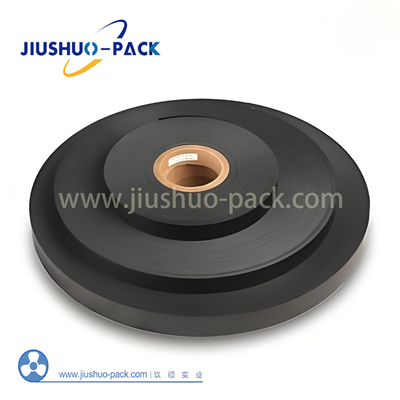
As a trusted supplier of flat carrier tapes, we are committed to helping our customers find the best solutions for their packaging needs. Whether you are looking for a standard carrier tape or a custom – made solution, our team of experts is here to assist you.
Paper Carrier Tape If you are interested in learning more about our flat carrier tapes and their compatibility with different adhesives, or if you have a specific application in mind and would like to discuss your needs, we encourage you to reach out to us. We are always ready to start a conversation about how our products can contribute to the success of your manufacturing processes.
References
- "Handbook of Pressure – Sensitive Adhesive Technology" by Donatas Satas
- "Adhesion and Adhesives Technology: An Introduction" by John Comyn
- Industry standards and specifications related to electronics packaging materials
Dongguan Jiushuo Industrial Co., Ltd.
As one of the most professional flat carrier tapes manufacturers and suppliers in China, we also support customized service. Please feel free to buy high quality flat carrier tapes made in China here from our factory. Contact us for more details.
Address: 11th Floor, Building 2, Chuangfu Center, Chashan Town, Dongguan City, Guangdong Province, China
E-mail: sales06@zaidaiw.com
WebSite: https://www.carriertape-pack.com/
