If you’ve ever stood in front of a performance car, classic hot rod, or even a family SUV’s wheels, chances are you’ve glanced at multi spoke wheels and thought one thing: they look solid, they’re probably alloy. As a multi spoke wheels supplier who’s spent 12 years hand-building, sourcing, and troubleshooting these wheel designs for everything from weekend racers to fleet operators, I get that assumption. For decades, multi spoke wheels have been synonymous with alloy—light, strong, and able to cradle the intricate, overlapping spokes that make the design so popular. But here’s the truth I’ve learned from listening to customers, working with manufacturing teams, and testing every variant on our lot: not all multi spoke wheels are alloy. In fact, the material that makes up these wheels has evolved a lot over the years, and choosing the right one depends on way more than just looks. Let’s break this down, because if you’re in the market for multi spoke wheels, knowing the difference could save you thousands in maintenance, replacement, and even safety. Multi Spoke Wheels
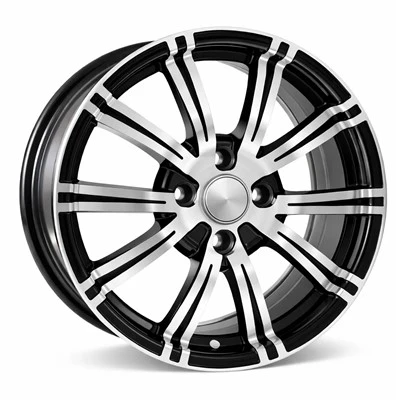
First, let’s define what we mean by “multi spoke wheels” for anyone who might be new to the term. A multi spoke wheel is exactly what it sounds like: a wheel with more than five spokes, usually ranging from 10 to 40, arranged in a repeating, overlapping, or radial pattern. The design started as a functional solution in early motorsports—back in the 1950s, more spokes meant better weight distribution and reduced flex on high-speed tracks. But it quickly became a style staple, adopted by car manufacturers for production models and aftermarket wheel brands for drivers who wanted a polished, aggressive look without the bulk of a large five-spoke wheel. For a long time, “multi spoke” was shorthand for cast or forged alloy, because those materials could hold the thin, precise spokes without warping, and kept the overall wheel weight low enough for performance and fuel efficiency.
But alloy isn’t the only game in town. Steel is a huge, underrecognized material for multi spoke wheels, and it’s still used every day for specific applications. When would a steel multi spoke wheel make sense? Mostly for heavy-duty use: delivery fleets, work trucks, trailer wheels, and even some classic car restoration projects where budget is a top priority. Steel is cheaper to manufacture in high volumes, it’s incredibly resistant to impact (if you hit a pothole or curb, a steel wheel is less likely to crack than an alloy one), and it can be welded and repaired if it does bend or damage. Back in 2018, we got a big order from a regional delivery company that runs 200 cargo vans on rural roads with terrible pothole infrastructure. They’d been using standard five-spoke steel wheels, but drivers complained about uneven tire wear and wheel flex at highway speeds. We supplied them with 18-inch 12-spoke steel wheels, and within six months, their maintenance team reported a 22% drop in wheel replacements and a 15% reduction in tire wear—all because the extra spokes distributed the weight of the cargo more evenly, which steel’s rigidity could handle perfectly.
That said, steel multi spoke wheels have a tradeoff: they’re heavier. A 17-inch 12-spoke alloy wheel weighs around 18 pounds, while the same size steel version is closer to 25 pounds. That extra weight affects performance, especially for passenger cars or performance vehicles, where unsprung weight (the weight of the wheels and tires, not the car’s body) impacts acceleration, braking, and fuel efficiency. So for most drivers, especially those who use their cars for daily commuting, performance driving, or just want a light, easy-to-handle wheel, alloy is still the go-to. But even among alloy multi spoke wheels, there are differences you might not know about. Not all alloy is the same. There’s cast aluminum alloy, forged aluminum alloy, and even magnesium alloy—each with its own pros and cons.
Cast alloy is the most common type of multi spoke wheel you’ll see on the road. It’s made by melting aluminum alloy (usually with small amounts of silicon, magnesium, or copper to add strength) and pouring it into a mold. The process is fast, affordable for mass production, and allows for super intricate spoke designs, which is why you see so many modern passenger cars with 15, 20, even 30-spoke cast alloy wheels. But cast wheels have a downside: the molten metal can develop tiny air bubbles or voids during the casting process, which weaken the wheel over time. We had a customer come to us a few years ago with a 20-spoke cast alloy wheel that cracked after just 18 months. It turned out the crack started in one of the spoke’s inner edges, from a void that formed during casting. For that customer, a performance enthusiast who drove his car on track days, a forged alloy multi spoke wheel would have been a better choice.
Forged alloy is made by compressing a solid block of aluminum (or sometimes magnesium) under extreme pressure, rather than pouring molten metal into a mold. The compression process creates a denser, stronger material with no voids, so forged wheels are lighter and more durable than cast ones. That’s why they’re popular among racers and high-performance car owners. For a long time, forged multi spoke wheels were too expensive for the average driver, but over the last decade, advancements in manufacturing have brought prices down, making them a viable option for more people. We started offering forged multi spoke wheels in 2020, and our biggest customers for them are track day enthusiasts and owners of electric vehicles, who care about every pound of unsprung weight to maximize range.
Magnesium alloy is another type of material used for multi spoke wheels, though it’s less common for everyday use. Magnesium is even lighter than aluminum—about 30% lighter, in fact—making it a favorite for professional motorsports like Formula 1, NASCAR, and IndyCar. But magnesium is more brittle than aluminum, and it’s more prone to corrosion if not coated properly. It’s also more expensive to manufacture, so it’s mostly reserved for professional racing or custom builds. We supply magnesium multi spoke wheels to a small number of vintage race car restorers, but for regular daily drivers, it’s not a practical option.
So when did the line between “multi spoke” and “alloy” start to blur? It happened about 15 years ago, when custom wheel brands started experimenting with other materials to fill niches that alloy and steel couldn’t. They developed composite wheels, made from a mix of plastic, carbon fiber, and resin, which are even lighter than forged alloy. But composite multi spoke wheels have their own challenges: they’re less durable in impacts, and they can degrade from UV exposure over time. Carbon fiber multi spoke wheels, which are used for high-end performance cars, are also growing in popularity, though they’re extremely expensive—often costing twice as much as a forged alloy wheel.
As a multi spoke wheels supplier, I talk to customers every week who come in assuming all multi spoke wheels are alloy, and they’re often surprised to learn about the other options. The biggest mistake I see people make is choosing a multi spoke wheel based solely on the design, without considering what material is right for their use case. For example, a driver who uses their car to haul heavy loads shouldn’t get a light cast alloy multi spoke wheel—it’s a safety risk. On the flip side, a performance driver who gets a steel multi spoke wheel will lose out on acceleration and fuel efficiency.
Let’s also talk about why the idea that multi spoke wheels are all alloy has stuck around for so long. For decades, alloy was the best material for multi spoke designs because it balanced strength, weight, and cost. Steel is great for heavy duty, but it doesn’t hold thin, intricate spokes as well as alloy—thin steel spokes can bend or break under stress, while alloy can be engineered to have thin spokes that stay rigid. That’s why most factory-produced multi spoke wheels are alloy; car manufacturers prioritize a mix of style, performance, and cost, and alloy hits that sweet spot.
But the market is changing, and now there’s a wider range of multi spoke wheel materials than ever before. Here’s a quick breakdown to help you decide what’s right for you, whether you’re a fleet manager, a daily driver, a racer, or a restorer:
If you need wheels for heavy-duty use (delivery, work trucks, trailers): Steel multi spoke wheels are your best bet. They’re durable, affordable, and can handle the weight without flex. Just keep in mind they’re heavier, so not ideal for passenger cars.
If you need wheels for daily driving, commuting, or family use: Cast alloy multi spoke wheels are the most practical option. They’re affordable, stylish, and light enough for most driving needs. Just make sure you buy from a reputable supplier, like us, to avoid casting voids or defects.
If you’re a performance enthusiast, track day driver, or electric vehicle owner: Forged alloy multi spoke wheels or even carbon fiber multi spoke wheels are worth the investment. They’re lighter, stronger, and will improve your car’s performance.
If you’re restoring a vintage race car or building a custom show car: Magnesium alloy or even custom composite multi spoke wheels can add authenticity and style, though they come with higher costs and maintenance needs.
I always tell customers that the best multi spoke wheel isn’t the one that looks the coolest—it’s the one that matches how you use your car. A few years back, we had a customer who wanted a set of 20-spoke wheels for his classic 1967 Camaro. He initially asked for alloy, but after talking through his plans, he realized he was going to drive the car to car shows, on long road trips, and occasionally take it to car cruises. The alloy multi spoke wheels would have looked great, but we suggested a set of steel multi spoke wheels with a chrome finish. They ended up loving them—they’re heavier, so they give the Camaro a more period-correct feel, they’re less likely to crack if he hits a pothole on a back road, and the chrome finish holds up better to the salt on roads in his hometown in winter.
Another common misconception is that multi spoke wheels are more expensive than other designs. That’s not always true. For high-volume orders, steel multi spoke wheels can be cheaper than five-spoke alloy wheels. For custom builds, forged multi spoke wheels can be similar in price to other custom wheel designs. The cost difference comes down to material, manufacturing process, and quantity—nothing to do with the number of spokes.
As someone who’s built multi spoke wheels for thousands of customers over the years, I can say that the material is just as important as the design. All multi spoke wheels aren’t alloy, and lumping them all together is a mistake that can lead to costly replacements, safety issues, or just a wheel that doesn’t work for your needs. If you’re in the market for new wheels, take the time to ask questions about the material, not just the number of spokes or the style.
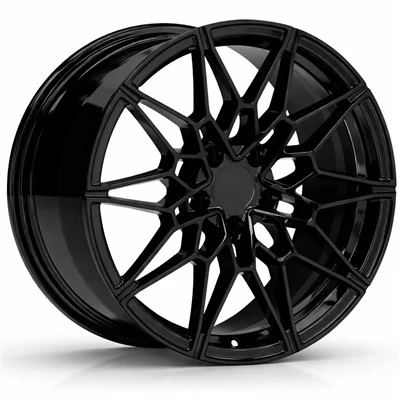
At our company, we offer every type of multi spoke wheel: steel, cast alloy, forged alloy, magnesium, and even custom carbon fiber options. We work with small business fleets, custom car builders, individual enthusiasts, and everyone in between, and our team takes the time to match each customer with the right wheel for their use, budget, and style. If you’re tired of guessing which multi spoke wheel is right for you, or if you’re ready to order a set for your next project, we’re here to help. Reach out to our team to discuss your needs, and we’ll walk you through all the options, no pressure, no confusing jargon.
Off Road Wheels References:
- Automotive Wheel Manufacturers Association. (2021). Wheel Material Performance Guidelines for Light and Heavy Duty Vehicles.
- SAE International. (2019). Forged vs. Cast Wheel: Material Properties and Application Use Cases.
- Smith, J. (2020). The Evolution of Multi Spoke Wheel Design in Motorsports and Aftermarket. Journal of Automotive Customization, 14(2), 45-62.
- Tire and Rim Association. (2022). Load Rating and Material Specifications for Multi Spoke Wheels. Annual Technical Report.
- Motor Trend Performance Team. (2021). Unsprung Weight Impact on Electric Vehicle Range and Acceleration. Test and Analysis Report.
Hurong (Ningbo) Wheels Co., Ltd.
Hurong (Ningbo) Wheels Co., Ltd. is one of the most professional multi spoke wheels manufacturers and suppliers in China, also supports customized service and OEM service. Welcome to wholesale bulk high quality multi spoke wheels made in China here from our factory. If you have any enquiry about cooperation, please feel free to email us.
Address: Floor.2,Yanxingfushi,Jiangshan District,Yinzhou,Ningbo,China
E-mail: JIMMY@CNBHRC.COM
WebSite: https://www.hrc-wheel.com/
