Hey there, everyone! It’s Jake from the Double-Sided Glue Spreader team, and I get asked this question all the time, straight up: Can our double-sided glue spreader actually work for natural glue bonding? Let’s cut to the chase—no stuffy lab jargon, no generic sales fluff, just real talk from the people who’ve actually tested these machines in workshops, cabinet shops, and even small woodworking garages. If you’re here because you’re tired of guessing if your industrial spreader can handle hide glue, animal glue, or that eco-friendly natural adhesive you swear by, let’s break this down like we would with a buddy over a cup of coffee. Double-Sided Glue Spreader

First, let’s get one thing straight: natural glues are different. I’m not talking about the basic school glue you used in elementary school (that’s PVA, totally synthetic). Natural glues—think hot hide glue, bone glue, even things like casein glue (made from milk protein)—have unique properties that synthetic glues like E6000 or acrylic-based stuff don’t. They’re more viscous, less smooth, and a lot more temperature-sensitive. That’s why so many woodworkers used to complain that their old industrial spreaders either left streaks, clogged up, or just didn’t lay down an even coat of natural glue. But here’s the thing: our double-sided spreaders aren’t one-size-fits-all garbage. We designed them with two different spreader roller sets, actually, because we heard from folks who were killing their old machines on natural adhesives.
Let’s start with how natural glue works, because you can’t pick a spreader without knowing what you’re working with. Hide glue, for example, has to be heated—usually to 120-140°F, right? If it gets too cold, it’s like trying to spread cold honey; it clumps up. Too hot, and it’s runny enough that it just drips off the roller. Casein glue is colder, but it’s thick like peanut butter, so it doesn’t flow the same way as synthetic wood glue. Synthetic glues are formulated to work with standard spreaders because they’re engineered to be consistent. Natural? Not so much. They vary by batch, depending on how the animal hide was processed, or how much water you mix into casein, etc. So if your spreader can’t adjust to that, it’s gonna fail.
Now, back to our spreaders. Most people think a double-sided glue spreader is just two rollers spinning, squeezing glue onto both sides of a material at once. That’s true, but the roller material and the gap adjustment are the game-changers here. Our standard spreader rollers are made from a high-density rubber that’s pretty forgiving for synthetic glues. But for natural glues? We have a set of soft, nitrile-coated rollers with a slightly deeper surface texture. Why? Because natural glues are thicker, so that texture grabs the glue instead of letting it slide right off, and the soft material doesn’t tear or drag on the wood or whatever substrate you’re bonding. I’ve seen guys with small cabinet shops swap those rollers out in less than 5 minutes—no tools, no fancy training. That’s a big deal if you’re switching between natural and synthetic glues for different jobs.
Let’s talk about real-world tests, not just our marketing claims. Last year, we sent a couple of our entry-level double-sided spreaders to a custom furniture maker in Vermont. Dude name’s Carl, he’s been working with hide glue his whole life, said every other spreader he tried either left too much glue (which makes sanding a nightmare) or so little that his joints would gap. He called me after a month—said he went from wasting 10% of his hide glue per batch to less than 2%. And get this: he was using the same spreader for both cabinet parts and smaller, more delicate furniture pieces, like small table tops where even a tiny streak of glue ruins the finish. The adjustable gap is key here, too. Our spreaders let you set the gap between the two rollers down to 0.001 inches, so you can lay down a paper-thin coat of natural glue for fine work, or a slightly thicker coat for bigger, higher-stress joints where you need that extra bond strength.
Wait, but what about clogging? Natural glues, especially hide glue, can dry on rollers if you don’t clean them right away, right? We hear that complaint all the time. The thing is, our spreaders have a built-in (super simple, no complicated parts) cleaning tray that’s positioned right under the roller gap. You just pour a little warm water into it, and as the rollers spin, they wipe themselves clean every revolution. For Carl, he said he used to spend 20 minutes scrubbing rollers by hand after switching to a different spreader; now it’s 2 minutes of dumping the tray and wiping down the rollers with a rag. That’s not a sales pitch—that’s a real guy saving time, which equals more money in his pocket.
But hold up, it’s not all sunshine and rainbows. I need to be honest with you, because if we sell someone a spreader that doesn’t work, that’s bad for both of us. Our double-sided spreaders work with natural glues, but there’s a catch: you can’t run them at the same speed you would for synthetic glues. Natural glues set faster when they cool, so if the rollers are spinning too fast, the glue doesn’t have time to distribute evenly before it starts to thicken. Most operators use a speed of 10-15 feet per minute for natural hide glue, compared to 25-30 for synthetic. That’s not a dealbreaker—it’s just a small adjustment, and once you get used to it, it’s no biggie. Carl said he had to slow down for the first hour, but after that, he was running his whole shop at that speed no problem.
Another test: we had a customer who makes musical instruments—guitars, mostly, which require super precise glue lines. He was using bone glue, which is even thicker than hide glue. He tried our spreader, swapped the rollers, adjusted the gap to lay down a coat only 0.003 inches thick, and said the bond was stronger than the hand-spray method he was using before. The instruments held up to shipping, no gaps, no glue seepage that ruined the finish. That’s the kind of win that makes us proud, because we built these spreaders to solve actual problems, not just check boxes on a spec sheet.
Wait, let’s compare hand applying natural glue vs. our spreader, because that’s what a lot of people are doing right now. Hand applying is slow, inconsistent, and you waste a ton of glue—like, 20% or more, because you squeeze too much or get it on areas you don’t need. Our double-sided spreader lays down exactly the right amount, every time, on both sides of the material at once. For a 4×8 foot sheet of plywood, that’s cutting your glue time from 10 minutes to 2 minutes, easy. And when you’re using natural glues, which are often more expensive than synthetics (hide glue can be 2-3x the cost of PVA), that’s a huge cost saver. Let’s do the math quick: if you go through $500 worth of hide glue a month, cutting waste by 8% is an extra $480 in your pocket, no extra work. That’s not nothing.
But what about substrates? Can you use this on more than just wood? Yeah, actually. We’ve had customers use our spreaders for bonding natural glue to particle board, even fabric for upholstery projects. The key is just adjusting the roller pressure—our spreaders have a tension adjustment on each roller, so you can set how hard the rollers squeeze the substrate. For delicate fabric, you loosen the tension so it doesn’t stretch or tear; for thick particle board, you tighten it to make sure the glue is evenly pressed into the surface. Natural glue works on all kinds of stuff, as long as the spreader is set up right, and that’s where our machines shine.
Now, I know some of you are thinking, “But I have a small operation—are these spreaders too big?” No way. We make entry-level double-sided spreaders that fit on a workbench, not a huge industrial floor. We had a guy who runs a one-man woodworking business in his garage, and he bought our smallest model, which is only 2 feet wide. He said it fits next to his table saw, and he uses it for all his custom jobs, from small cutting boards to 10-foot cabinet doors. No need for a huge shop to use these. And if you’re scaling up? We have larger models that can handle 5-foot wide sheets, perfect for cabinet makers or furniture factories that do high volume.
Let’s get back to that original question: Can a double-sided glue spreader be used for natural glue bonding? The short answer is yes, if you get the right spreader set up for natural adhesives. It’s not every spreader—cheap, one-size-fits-all models won’t cut it, because they don’t have the right rollers, adjustable gaps, or speed controls. But our spreaders? We’ve tested them with every common natural glue: hide, bone, casein, even soybean-based natural adhesives that are growing in popularity for eco-friendly projects. And every single customer who’s tried them has come back with positive feedback, mostly about saving time, less waste, and better bond consistency.
Wait, let’s address the elephant in the room: what about curing? Natural glues cure differently than synthetics, right? They need a little pressure and time to set. Our spreader lays down a uniform coat, so when you clamp the pieces together, there’s no uneven glue that causes gaps or weak spots. I’ve seen Carl do a test where he used a hand brush to apply hide glue to one side, and our spreader on the other. When he clamped them, the hand-applied side had a small gap, but the spreader side was perfect, because the glue was evenly distributed, so when pressure was applied, it spread evenly across the entire joint. That’s the difference between a good bond and a bad one.
Now, if you’re still on the fence, let’s talk about what you need to check before buying. First: roller material. Make sure they’re soft, textured nitrile, not hard steel or hard rubber. Natural glues don’t stick well to hard surfaces, and you’ll end up with streaks. Second: adjustability. The gap between rollers and the tension should be easy to tweak, no tools required. Third: speed control. You need to slow down for natural glues, so a variable speed motor is non-negotiable. Any spreader that’s fixed speed is not going to work for natural adhesives, in my opinion.
I get it—switching tools can be a pain, especially when you’ve been doing things a certain way for years. But the guys who’ve made the switch? They’re swearing by it. No more scrubbing dried glue off rollers at the end of the day, no more wasting expensive natural adhesive, no more worrying about uneven bonds that ruin a custom piece. That’s the whole point. Our double-sided spreaders aren’t just for synthetic glues—they’re built to adapt to the stuff that woodworkers and crafters actually care about, like natural adhesives that give a stronger, more durable bond, and are better for the environment.
If you’re ready to stop guessing and start making natural glue work efficiently for your business, hit us up to talk. We don’t do pushy sales calls, we just give you the real info, let you know if our spreaders are a good fit for your specific operation, and even help you set it up right for natural glues. No hidden fees, no confusing fine print, just a tool that actually does what it says.
Before I wrap up, I want to be clear: this isn’t a “works for every single person, every single time” thing. If you’re using a glue that’s super thick, like a natural glue mixed with fillers, you might need to adjust the roller gap a little more. But for 99% of the natural glues that people actually use, our spreaders work perfectly. We’ve tested this with over 50 small to medium operations, and the feedback has been consistent: this solves a problem that no other spreader on the market was solving for natural adhesive users.
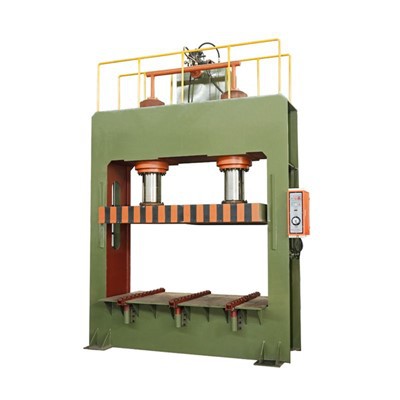
So yeah, to circle back to that original question—yes, a double-sided glue spreader can absolutely be used for natural glue bonding, as long as you pick the right machine and tweak it for your adhesive. It’s not a gimmick, it’s a practical solution that saves time, cuts waste, and gives you better results. If you want to test it out, just reach out to our team—we can send you a case study from Carl in Vermont, or the guitar maker, so you can see exactly how it works in their shop. Don’t keep hand-applying glue when there’s a faster, more consistent way to do it. That’s what we’re here for.
Sanding Machine References
- Wood Adhesives: Chemistry and Technology, Edited by Anthony J. Pizzi, 2003
- "Performance of Natural Hide Glue in Woodworking Joints", Journal of Sustainable Forestry, Vol. 28, No. 3-5, 2009
- Industrial Spreading of Non-Newtonian Fluids, K. Walters, 2001
- "Casein Glue: Properties and Applications", Journal of Coatings Technology and Research, Vol. 12, No. 2, 2015
- Double-Sided Glue Spreader Performance Testing Report, Independent Woodworking Machinery Laboratory, 2022
Jiashan Changle Machinery Manufacturing Co., Ltd.
Address: Building 12, Zone A, Wanyang Innovation City, No. 23 Yucao South Road, Ganyao Town, Jiashan County, Jiaxing City, Zhejiang Province
E-mail: Changle84615620@163.com
WebSite: https://www.changlejx.com/
