Hey everyone, let’s talk about electrical enclosures—you know, those boxes that house all your circuit breakers, wiring, and control components. If you’re in the market for these, you’ve probably wondered: are they actually waterproof and dustproof? I get it, because as an electrical enclosures supplier, I field this question almost every single day. Clients come to me asking if their outdoor setup, industrial workshop, or construction site will be safe when their gear’s inside one of our boxes. The short answer isn’t a straight “yes” or “no”—it depends on a bunch of stuff, and I’m gonna break that down like I would to a customer sitting across my desk, no fancy jargon, just real talk. Electrical Enclosures

First off, let’s get the basics straight. When it comes to protecting electrical equipment from water and dust, we use IP ratings—Ingress Protection ratings, for anyone who’s never heard the term. This is the global standard that tells you exactly how well an enclosure is sealed. The rating is two numbers, right? The first one is for solids (dust, dirt, etc.) and the second is for liquids (water, rain, splashes, whatever). Let’s use examples to make this make sense. If an enclosure has an IP65 rating, that’s the sweet spot for a lot of outdoor jobs. The “6” means it’s totally dust-tight—no dust gets inside, not even tiny particles that can gum up circuits. The “5” means it’s protected against low-pressure water jets from any direction, like a heavy rainstorm or a hose spray. That’s not gonna fail during a regular outdoor deployment. But a lower rating, like IP54? That means dust is only “protected against” (not totally sealed) and water splashes are okay, but not direct jets. So if you’re using an IP54 box for a setup that’s gonna get hit with a power washer, you’re gonna have a bad time.
A lot of people mix up IP ratings with “waterproof” as they think of like a waterproof phone case, but enclosures aren’t designed to be submerged. If you need something that can go under water—like for a submersible pump controller or a marine underwater sensor—you’re looking at IP67 or IP68. IP67 means it can be submerged in up to 1 meter of water for 30 minutes without any water getting in. IP68 is even higher, meant for continuous submersion at deeper depths. I’ve had clients ask me if an IP65 box works for their dockside equipment, and I have to be honest: no, that’ll take on water if a wave hits it. You need the right rating for your specific use case, not just the highest number you can find.
Now, why do some enclosures claim to be dustproof and others not? It’s all about the seal and the construction. The most common seal we use on our enclosures is a silicone rubber gasket—you know, that black rubber strip that runs around the inside of the enclosure’s lid. That’s what creates the barrier against dust and water. But if the gasket’s cut wrong, or if the lid isn’t tightened evenly, or if there’s a crack in the enclosure’s plastic or metal housing, that seal’s broken. I’ve seen customers who bought cheap off-brand enclosures skip the gasket entirely, or use a thin foam seal that crumbles after a few months in the sun. That’s why we only use high-density silicone gaskets on our products—they hold up to extreme temps, UV light, and don’t compress over time. Metal enclosures also have to be powder-coated properly, right? If the coating chips, that can lead to corrosion, which creates tiny gaps where dust and water can get in.
Another thing: the type of enclosure material matters a lot. Plastic enclosures, like polycarbonate or ABS, are great for light industrial use, outdoor signage, or low-voltage setups. They’re naturally resistant to corrosion, so they don’t rust, which means the seal stays intact longer. But metal enclosures—aluminum or stainless steel—are better for heavy industrial environments, like factories with high pressure washers, or offshore rigs where saltwater is a problem. Wait, saltwater is a big one I should mention. Even an IP65 stainless steel enclosure can get damaged if it’s not 316-grade stainless, which is designed to resist salt corrosion. I’ve had a client bring back an enclosure after 6 months on their boat dock, and it had rust spots because we only offered 304-grade as a lower-cost option. We fixed that by switching them to 316 for marine setups, and they haven’t had an issue since.
Now, let’s talk about common myths I hear all the time. Myth number one: all outdoor enclosures are waterproof. No way. I’ve had a landscaper come in last month saying his $100 outdoor enclosure got flooded during a thunderstorm, and it had an IP rating on the box. Turned out it was IP54, not IP65, so the heavy rain flooded it. Myth number two: if it’s labeled “waterproof,” it’s good for anything. Nope, a waterproof enclosure for a power tool isn’t the same as a waterproof electrical enclosure for wiring. Tool waterproofing is for splashes, enclosures need to handle consistent exposure. Myth number three: dustproof means totally no dust ever. For IP6X enclosures, that’s exactly what it means—no dust penetrates, even in a dusty factory or construction site. Lower IP ratings, like IP5X, only keep out large dust particles, so fine silica dust can still get inside and cause overheating or short circuits.
Wait, overheating is another big part no one talks about. A lot of people think “if it keeps out water and dust, it’s good” but electrical components generate heat. If an enclosure is totally sealed, it can trap that heat, which is bad for your equipment. That’s why we design some of our enclosures with vented covers—wait, but are vented enclosures still dust and waterproof? Absolutely, if the vents have desiccant breathers or mesh filters. The desiccant absorbs moisture that could get through the vent, and the mesh keeps dust out. That’s perfect for medium-voltage equipment in warehouses or factories where heat buildup is a problem, but you don’t need total submersion protection. I had a bakery client last year whose old enclosure was overheating because it was totally sealed—they kept getting circuit shorts from the heat. We swapped it for a vented IP65 enclosure with mesh filters, and that fixed the issue.
What about extreme environments? Let’s say you’re in a desert, where dust storms are constant. You need IP65 at minimum, and even IP66 maybe, which is for high-pressure water jets, like firefighting foam. Or if you’re in a northern climate where you get snow and ice—ice can form on the enclosure’s lid, so when it melts, water can get in if the seal isn’t designed for temp changes. We test all our enclosures in thermal chambers that go from -40°F to 185°F, so the gasket doesn’t shrink or expand too much, which would break the seal. That’s a step a lot of cheap suppliers skip, which is why their enclosures fail in cold or hot weather.
Now, let’s switch gears to what you should actually look for when shopping for an electrical enclosure. First, know your environment. Ask yourself: is this going to be outdoors? Submerged? Near saltwater? In a dusty factory? In a cold climate? That will tell you your IP rating. Second, check the construction: is there a silicone gasket? Is the housing durable (metal vs plastic)? Are the fasteners stainless steel? Cheap steel fasteners will rust, break, and leave gaps. Third, make sure it’s certified. Don’t buy a knockoff that claims IP67 but hasn’t been tested by a recognized body like UL or CSA. I’ve heard of people getting enclosures that say IP68 on the box, but when you test them, they leak after 10 minutes of submersion. Certified enclosures are tested to exact standards, so you don’t have to guess.
As someone who’s been supplying electrical enclosures for 8 years now, I can tell you the biggest mistake customers make is buying based on price alone. A $50 enclosure might seem like a steal, but if it fails after 6 months, you’re looking at replacing your entire circuit board inside, which costs way more than the enclosure. We’ve had clients come to us after wasting money on cheap enclosures, and we’re able to provide a better product that lasts 5+ years, which actually saves them money in the long run.
Wait, let’s address another question I get: what about enclosures for residential use? Like, for outdoor security cameras or pool equipment. Those don’t need industrial-grade IP67, usually. IP65 is more than enough for a backyard setup, since it’s just rain and dust. A lot of big box stores sell enclosures with a low IP rating, but they label them “waterproof” to sell more. That’s misleading. I always tell residential clients: if it’s for your backyard, get IP65. If it’s for a pool pump that’s near water splashes, IP54 might work, but if it’s going to get hit with a hose, go higher.
Now, let’s wrap this up with what you need to do if you’re in the market. Don’t just type “waterproof electrical enclosure” into Google and buy the first thing that pops up. Think about exactly where and how your enclosure will be used. If you’re not sure, reach out to someone who knows enclosures—like us, for example. We’re not just here to sell you a box; we’re here to make sure you pick the right one so your equipment stays safe, no matter the weather or environment. Whether you’re a contractor doing construction work, a maintenance manager at a factory, or a homeowner needing a box for pool equipment, we can walk you through the ratings, materials, and features to find exactly what you need.
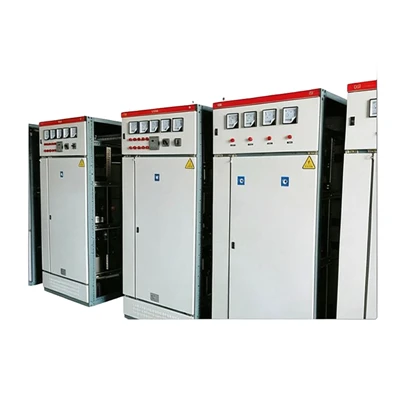
Don’t risk your electrical gear failing because you picked the wrong enclosure. A quick chat can save you from costly repairs, downtime, and headaches down the line. Hit us up to chat through your project, we’ll help you pick the right dustproof, waterproof enclosure for your needs.
Battery Cabinets References:
- International Electrotechnical Commission. (2017). IEC 60529: Degrees of protection provided by enclosures (IP Code).
- Underwriters Laboratories. (2021). UL 50E: Enclosures for Electrical Equipment, Non-Environmental Considerations.
- National Electrical Manufacturers Association. (2020). NEMA 250: Enclosures for Electrical Equipment.
- Stainless Steel Industry Association. (2019). Saltwater Corrosion Resistance of Stainless Steels for Marine Applications.
Zhejiang Litu Precision Technology Co., Ltd.
As one of the most professional electrical enclosures manufacturers and suppliers in China, we also support customized service. Please feel free to wholesale advanced electrical enclosures in stock here from our factory. Welcome to contact us for quotation.
Address: No.100 Jinkai Road, Binhai Industrial Zone, Dongchen Township, Xiangshan County, Ningbo City, Zhejiang Province
E-mail: yuleiting@zjltjm.com
WebSite: https://www.lituprecision.com/
