If you’re in the world of metal stamping, coil processing, or anything that involves feeding coiled stock into machines, you know how big a difference good coil tooling makes. Bad tooling leads to inconsistent parts, downtime that eats into your production schedule, and extra costs you didn’t plan for. A lot of folks ask me, since I’ve been in this game designing and building coil tooling for nearly 15 years, who the actual top suppliers are. Not the ones that throw big sales budgets at trade shows or spam your inbox with generic emails— the ones that deliver reliable, custom parts, support you when something goes wrong, and don’t make you wait 6 weeks just for a quote. Let’s break this down like we talk in the shop floor, no corporate jargon, just the real deal. Coil Tooling
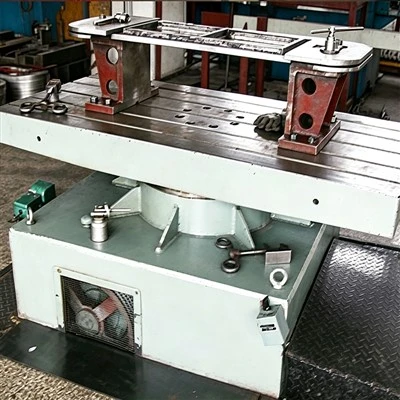
First off, let’s get one thing straight: not all coil tooling suppliers are created equal. Some specialize in off-the-shelf stuff that works for basic jobs like thin-gauge steel for auto body trim, but if you’re running high-volume stamping for medical devices or aerospace parts, off-the-shelf won’t cut it. You need tooling that’s tailored to your exact coil size, material thickness, and production speed. That’s where the real standouts separate themselves.
Let’s start with the ones that aren’t the household names but have built their reputations grinding out consistent work for decades. Wait, no— hold on, let’s split this into categories because there’s a supplier for every need. First, the guys that do custom coil tooling for mid-volume to high-volume runs, which is what most of my customers are after. These aren’t the big multinational corporations that treat you like a order number; they’re smaller, family-owned operations that actually listen to your pain points. For example, one of my long-time collaborators specializes in feeding and straightening tooling, the stuff that takes that messy coiled steel and makes it straight enough to feed into a stamping press without jamming. I’ve sent them a sketch of a weird coil I was working with once, and they had a prototype back in 10 days, not 3 weeks like the big guys. They even showed up at my shop when I had a last-minute breakdown on a 24-hour run— that’s the kind of stuff that matters, not a 24/7 call center that puts you on hold for an hour.
Next, the suppliers that do heavy-duty coil tooling for thick-gauge metal, like the stuff used for construction beams or heavy equipment parts. If you’re working with 1/2 inch thick steel or aluminum, most of the standard tooling won’t hold up— it bends, wears out fast, and you’ll be replacing it every couple of days. The top names here don’t cut corners on material. They use high-grade tool steel, do the heat treating in-house (not outsource to someone that cuts corners), and test every single part before it leaves the shop. I’ve seen suppliers use cheap steel just to undercut quotes, and their tooling breaks mid-run, costing a customer $10k in lost production in a day. The good heavy-duty suppliers price their stuff fairly, because you get what you pay for. One of my go-tos here does custom slitter tooling for heavy coils, and they even adjust the knife angles based on the material hardness— no one else does that, it’s all generic angles. Their slitter blades last twice as long as the cheap ones, so over a year, you save way more than you pay upfront.
Now, let’s talk about the one-stop shops. Some guys want to handle all their coil tooling in one place: straighteners, feeders, slitter heads, even decoilers. The best one-stop suppliers don’t just sell a bunch of random parts from different brands; they engineer the whole system to work together. A lot of customers make the mistake of buying a feeder from one brand, a straightener from another, and wonder why they get constant jams. The top one-stop shops will work with you to design a full system that syncs up with your existing press or new machinery. I helped a customer last year that was dealing with 15 minutes of downtime an hour because their old system was misaligned. We went with a one-stop shop that surveyed their line, adjusted the straightener tension, synced the feeder speed to the stamping press, and now their downtime is less than 2 minutes a shift. That’s the value, not just selling parts.
Wait, but what if you don’t need custom stuff? What if you’re running small-batch jobs, maybe a job shop that does 1000 part runs here and there? You don’t want to pay for custom tooling that costs more than the parts you’re making. The top suppliers for off-the-shelf coil tooling don’t sell garbage. They have a good selection of standard straighteners, feed rollers, and slitter knives that work for most light to medium gauge jobs, and they ship them fast— like 2 days, not 2 weeks. A lot of job owners skip the good off-the-shelf suppliers and go to Amazon or a random industrial site, and the parts don’t fit right, or the coating wears off after a couple uses. The reputable off-the-shelf guys actually test their parts, so you know the straightener will work with 16 gauge aluminum, not just advertise it.
Let’s be real, though— even the best suppliers have hiccups. The difference between a good one and a great one is how they handle the mess. Last year, a customer of mine had a brand-new set of coil dies from a supplier that started chipping after only a week of running. The supplier didn’t play the blame game— they took full responsibility, came out to the shop the next morning, adjusted the die clearance, replaced the worn parts, and gave the customer a 10% credit on their next order. That’s the kind of service you can’t put a price on. I’ve seen other suppliers tell you “it’s your press that broke it” and make you fight for weeks to get it fixed. Those guys get cut off from my list.
Now, let’s talk about red flags to watch out for, because there are a lot of suppliers out there that look good on paper but will waste your time and money. First, if a supplier won’t give you references— run. Any good supplier will be happy to put you in touch with 2 or 3 current customers that are running their tooling daily. Second, if their quote is way lower than everyone else. If someone quotes you a die set for $500 when everyone else is at $1200, that’s a red flag. They’re using cheap material, cutting corners on machining, and it will break. Third, if they take 2 weeks just to send a quote. In this industry, you need tooling fast— if a supplier can’t send a quote in 3 days, they’re either understaffed or don’t care about your business.
Wait, and I should mention something that a lot of people overlook: post-delivery support. A lot of suppliers are fine until the tooling leaves their shop. Once it’s at your facility, if you have a question about adjusting the straightener tension or replacing a roller, are they available to help? The top suppliers have guys on staff that are actually coil processing experts, not sales reps that don’t know the difference between a slitter knife and a feed roller. I once got a call at 7pm from a customer that couldn’t figure out why their feeder was slipping. I walked him through a quick adjustment, and he was back up running in 10 minutes. That’s the kind of support that keeps customers coming back.
As someone who’s been in this line of work for years, I’ve seen the game change a lot. A lot of new suppliers popped up during the pandemic, offering cheap tooling imported from overseas. A lot of those are gone now, because their quality was garbage. The ones that survived, and the ones I trust, are the ones that prioritize quality over quick profits. They might not have the flashiest website or the biggest sales team, but they deliver when it matters.
If you’re just starting out, or looking to switch suppliers, my biggest advice is to talk to other people in your industry. Ask other stamping operators, job shop owners, or maintenance managers who they use and trust. Don’t just go with the first supplier that pops up on Google. Order a small part first, test it, see how it works, before you commit to a big custom order. That way, you don’t get stuck with a $10k die set that doesn’t work.
Now, to circle back to who the top suppliers actually are— I could name a few, but honestly, it’s less about the brand name and more about what you need. If you’re doing custom high-volume, look for a supplier that has in-house machining and heat treating, not one that outsources all the work. If you’re doing heavy-gauge construction parts, find one that specializes in thick-metal tooling, not generalists. If you’re a small job shop with small batches, stick with the good off-the-shelf suppliers that ship fast and have a good return policy.
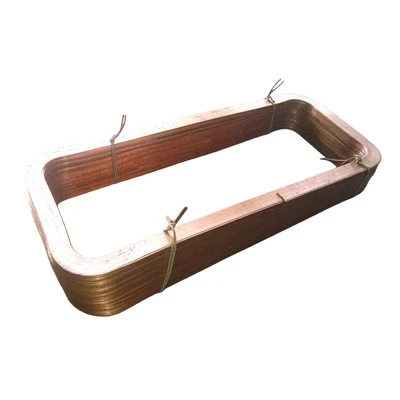
And hey, if you’re tired of suppliers that don’t listen, that make you wait, or that cut corners? I run a coil tooling shop that focuses on custom, reliable tooling, no fine print, no runaround. We work with all different types of material, from thin-gauge aluminum to thick steel, and we offer full-system design so your straighteners, feeders, and dies work together like they should. We even have 24/7 support for emergency breakdowns, because I know how costly downtime can be. If you’re tired of dealing with the same old suppliers that let you down, reach out to chat through your project, no pressure, no sales pitch that reads like a robot wrote it.
Pole Coils REFERENCES
Metal Stamping Magazine. (2023). "Key Factors for Selecting Coil Tooling Suppliers."
Coil Processing Association Annual Report. (2022). "Supplier Performance and Industry Standards."
Industrial Tooling Quality Institute. (2023). "Best Practices for Coil Tooling Quality and Support."
Hangzhou Purun Science & Technology Co., Ltd.
As one of the most professional coil tooling manufacturers and suppliers in China, we have world-leading production equipment and strong manufacturing capabilities. Please rest assured to wholesale customized coil tooling made in China here from our factory. Welcome to contact us for pricelist.
Address:
E-mail: Purun_sci_tech@163.com
WebSite: https://www.puruncoil.com/
