If you’ve ever dug through the back of your medicine cabinet for a cooling patch after a sprained ankle or a nagging lower back ache, chances are you’ve stared at the tiny, smudged “best by” date and wondered: Do cooling pain relief patches even expire? I get it—we’ve all grabbed something that’s “past its prime” before, whether it’s a pack of gum, a bottle of Tylenol, or a patch we bought in a pinch and forgot about for six months. As a supplier of cooling pain relief patches, this is one of the most common questions I get from customers, and it’s not a silly one at all. It’s not like a potato chip that goes stale and tastes weird—these are medical or over-the-counter products meant to soothe pain, so their safety and effectiveness actually matter a lot. Let’s break this down, no stuffy lab jargon, just real talk about what you need to know. Cooling Pain Relief Patch
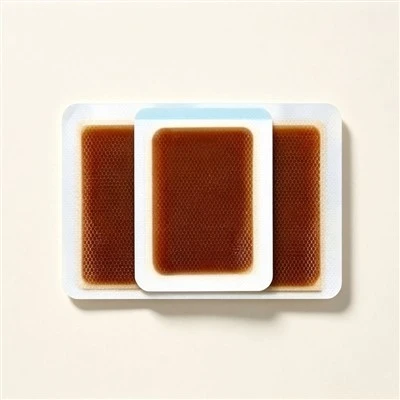
First, let’s get one thing straight: When a cooling pain relief patch expires, that date isn’t just a random number the manufacturer printed to make you buy more. It’s an expiration date, often called a “beyond use date” or “end of shelf life” date, based on strict stability tests they run before putting the patch on shelves. For our patches (and pretty much all reputable brands), that date represents the last day the product is guaranteed to be 100% effective and totally safe to use, assuming it’s stored correctly.
But wait—what exactly makes a cooling patch go “bad”? Let’s talk about what’s in these things, because that’s where the expiration story starts. Most cooling patches work on two main levels: the physical cooling from ingredients like menthol, camphor, or sometimes a small amount of alcohol, and the mild pain relief from NSAIDs or other active ingredients. Over time, a few things can mess with these components. First, the cooling agents can break down or evaporate if the patch isn’t sealed properly. If the patch’s packaging has a tiny tear or you left it open after using one, that menthol scent will fade fast—and if the menthol is gone, the cooling effect (which is half the point of these patches) is basically non-existent. Then there are the active pain-relieving ingredients, like diclofenac or lidocaine, which can degrade over time, losing their strength so they can’t actually dull your ache anymore.
But safety is another big piece. Manufacturers test for things like microbial growth too. The bandage part of the patch is a porous material—if the seal is broken or the patch is past its expiration date, there’s a small risk of bacteria or mold growing on the adhesive or the active layer. Most of the time, this risk is low, especially if you stored the patch in a cool, dry place (not your hot car glove box or a bathroom cabinet that gets steamy every time you shower), but it’s still not worth the risk. I’ve had customers ask me, “I used a patch from 2022 and nothing bad happened”—great, that’s lucky, but that doesn’t mean it’s safe to make a habit of it.
Now, here’s a myth I hear all the time: “If it looks fine and smells fine, it’s still good.” I wish that was true, but it’s not. Menthol’s scent fades gradually, so by the time you can’t smell it, the active cooling and pain relief is already gone. And microbial growth doesn’t always leave a visible sign—most bacteria and mold are too small to see, and a stale smell isn’t always a red flag. I remember a customer reaching out a few months ago saying she’d used a patch that was a year past its date, and she had a mild skin irritation. Turns out she’d stored it in her gym bag, which was hot and sweaty, so the packaging seal had probably been compromised without her noticing. That’s exactly why the expiration date exists—to catch situations like that before they turn into a problem.
Let’s talk about storage, because that’s one of the biggest factors that impacts how long your patches last, way more than the date itself. If you keep your cooling patches in a cool, dark, dry place—like a bedroom drawer, not a bathroom (steamy bathrooms are the worst for any personal care product)—and the packaging is always sealed tight, they might actually be fine for a little while past the expiration date. But only a little while. We’re talking like a few weeks, not a few months or years. If you’ve got a box of patches and the “best by” date was 2021, don’t risk it. I’ve seen customers hoard patches from old first aid kits, and more often than not, those are wasted because they either don’t work or could cause irritation.
Another thing that surprises a lot of people: cooling patches don’t work the same way as, say, a tablet or a pill. Pills are solid, and their active ingredients can degrade, but patches are a semi-solid, adhesive-based product. The active ingredients are mixed into the gel layer, so evaporation and degradation are faster than in a sealed pill bottle. That’s why their shelf life is shorter, usually around two to three years from manufacture, compared to five years for some oral meds. If you’re ever unsure when you bought the patches, check the packaging—most brands print a manufacture date or a lot code that you can use to calculate how long they have left.
Wait, what about if a patch is opened? Once you take a patch out of its individual sealed wrapper, how long is it good for? That’s another question I get. Most opened patches should be used within 24 hours, tops. Once you peel off the protective liner, the gel layer is exposed to air, so menthol and other cooling agents start evaporating right away. The adhesive also can lose its stickiness, so the patch won’t stay on your skin properly, and it might not adhere evenly, which can lead to irritation. I always tell customers to only open one patch at a time—don’t peel five and leave them sitting out on the counter, that’s a waste of product and defeats the purpose of the packaging.
Let’s get into the science a little (I’ll keep it simple, promise). When manufacturers test stability for their patches, they put samples in different conditions—hot, cold, humid—and check every few months to see how the active ingredients hold up. If after 24 months, a batch of patches still has 90% of the original menthol and active pain reliever, that’s what becomes the expiration date. If the active ingredients drop below that threshold (the minimum effective concentration), they mark it as expired, because using a patch with too little menthol or pain reliever won’t help your ache at all, and if you’re using it for an injury management plan, that’s a problem. No one wants to apply a patch that’s supposed to take their muscle soreness away, only to end up with the same ache an hour later.
I also want to address a common misconception that expired patches are dangerous. Like I said earlier, the actual safety risk is low for most people who use a patch that’s just a few months past its date, stored correctly. But it’s not worth the gamble. The active ingredients might not work, and in rare cases, the adhesive or degraded ingredients can cause mild skin redness, itching, or a rash—especially if you have sensitive skin. I’ve worked with customers with eczema or sensitive skin, and they’ve told me that expired patches irritated their skin where fresh ones never did. That’s a side effect no one needs when you’re already hurt.
Now, what should you do if you have patches that are past their expiration date? First, check the packaging for any tears or broken seals—if the packaging looks damaged, toss them, no exceptions. If the packaging is sealed and it’s only a few months past the date, you can test it: hold it up to your nose, if you can still smell a strong menthol or camphor scent, it’s probably still got some effectiveness left, but use it at your own risk, and don’t use it on open wounds or broken skin. If the scent is faint or non-existent, just throw them away. Don’t try to stretch them or use them in a pinch—there’s a reason the date is there.
As a cooling pain relief patch supplier, I always tell my customers to only buy as many patches as they need in the next few months, not bulk buy for years unless you’re using them constantly. It’s easy to see a “bulk discount” and stock up, but if half of them expire before you use them, that’s just wasting money. Keep a small pack in your car, a pack in your gym bag, and a big box at home, so you’re never caught without a fresh patch when you need it.
One last thing: if you’re using a cooling patch for a medical condition—like chronic back pain, arthritis, or post-injury soreness—don’t rely on expired patches as part of your treatment plan. Ask your doctor or pharmacist if it’s safe, but more often than not, they’ll tell you to stick to fresh, unexpired products. Using a patch that doesn’t work can make your pain worse, and if you’re delaying treatment because your old patch didn’t help, that’s a problem no one wants.
At the end of the day, the answer to “Do cooling pain relief patches expire?” is a definite yes, but it’s not just a trick to get you to spend more money. It’s a safety and effectiveness guideline based on years of testing and real customer data. If you’ve got patches in your cabinet, check the date next time you reach for one—you might be surprised how much time is left, or how many expired ones you’ve been hoarding without realizing.
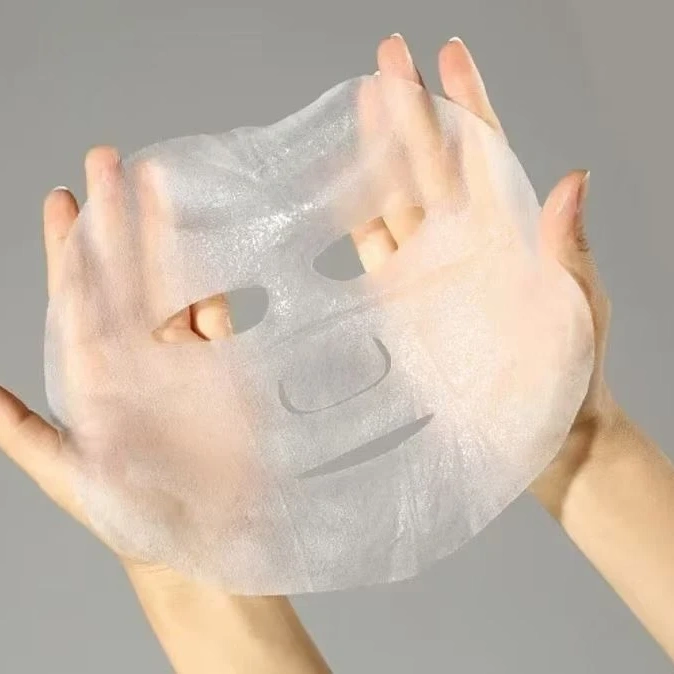
If you’re looking for high-quality, fresh cooling pain relief patches that work exactly as they should, feel free to reach out to our team to discuss bulk orders, sample requests, or any other questions you have. We only source patches that meet strict stability standards, so you can trust the product you’re getting is fresh, effective, and safe to use. Don’t settle for expired patches that won’t help your pain—get the real deal from a supplier you can trust.
Eye Care Patch References
U.S. Food and Drug Administration (FDA). Expiration Dates: What They Mean and How to Use Them.
International Journal of Pharmaceutical Sciences and Research. Stability Testing of Topical Adhesive Patches.
American Academy of Dermatology. Common Misconceptions About Topical Pain Relief Products.
Journal of Clinical Pharmacy and Therapeutics. Shelf Life Considerations for Over-the-Counter Topical Analgesics.
Anhui Meikangning Biotechnology Co., Ltd.
As one of the most professional cooling pain relief patch manufacturers and suppliers in China, we’re featured by quality products and good price. We warmly welcome you to buy customized cooling pain relief patch made in China here from our factory. If you have any enquiry about pricelist, please feel free to email us.
Address: Room 3-1, Building 7, Guojiaomei Industrial Park, Chengbei Town, Jin’an District, Lu’an City, Anhui Province, P.R.China
E-mail: M13957922968@163.com
WebSite: https://www.meikangningbio.com/
