Hey there, if you’ve ever shopped for soft, breathable fabrics lately, you’ve probably seen two terms thrown around a lot: bamboo fabric and rayon. As a bamboo fabric supplier, I get asked this question at least a dozen times a day—usually from small boutique clothing brands, home decor makers, and even hotel linens folks who want to make sure they’re picking the right stuff for their customers. Let’s break this down straight, no fancy jargon, just what actually matters when you’re choosing a fabric that doesn’t suck for you or the planet. Bamboo Fabric
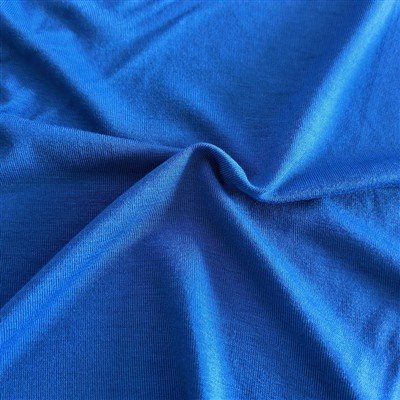
First, let’s clear up a common mix-up: bamboo fabric is not automatically the same as rayon. Wait, hold up—hear me out. A lot of people hear “bamboo” and think it’s one specific fiber, but here’s the thing: most mass-produced “bamboo fabric” you see in big box stores is actually a type of rayon. Rayon is a category of cellulosic fibers made from plant material, right? It’s not a synthetic like polyester or nylon, but it’s a processed fiber. So when a brand says “bamboo rayon,” that’s just a way to say they used bamboo as the plant source to make their rayon. But pure bamboo fabric—like the stuff we supply? That’s a whole different process.
Let’s talk production, because that’s where the big differences live. For mass-made bamboo rayon, the process uses harsh chemicals—think sodium hydroxide, carbon disulfide—to break down bamboo into a pulp, then spin it into fibers. Those chemicals are tricky to dispose of, and if they’re not handled right, they can leach into waterways. Now, pure bamboo fabric (sometimes called mechanically processed bamboo) uses a milder, water-based method to break down the bamboo’s tough outer stalk. We crush and mill the bamboo into a fine pulp, then use enzymes and mechanical processing to turn it into fibers—no toxic chemicals needed. That’s a huge win for the environment, and for the workers handling the fabric too, since we don’t have those dangerous fumes hanging around the factory floor.
Next up, the feel factor. I’ve had customers run their hands over our pure bamboo fabric and immediately say, “Oh wow, that’s way softer than the rayon stuff I tried.” Why? Bamboo fibers have a natural micro-structure that’s round and smooth, while a lot of rayon fibers are more angular. That means pure bamboo fabric doesn’t get that scratchy, pill-y feel after a few washes the same way some rayon does. Don’t get me wrong—there are nice rayons out there, especially those made from recycled plant materials, but rayon’s feel is dependent on the manufacturing process, not the plant itself. Pure bamboo’s softness is inherent to the fiber, which is why it’s so popular for activewear, bed sheets, and baby clothes—things that need to hold up and feel good every day.
Breathability is another big one, especially if you’re making clothes for hot climates or bedding for people who run hot. Bamboo fibers have tiny pores that can absorb and release moisture way better than rayon. Let’s put numbers to it: pure bamboo can absorb up to 60% of its weight in moisture, while standard rayon is around 30%. That means if you’re sweating through a workout, your bamboo activewear is going to feel damp but not sticky and clammy, the way rayon might hold onto moisture. For bed sheets? You’ll wake up less sweaty at night, which is a game-changer for anyone who’s dealt with night sweats.
Washing and durability—let’s be real, no one wants a fabric that falls apart after two washes. Our pure bamboo fabric holds up really well because the fibers are strong when wet, unlike some rayon types which can become weak and stretchy when they’re damp. I’ve seen brands use our bamboo for 100-piece runs of bed sheets that get washed weekly, and two years later they’re still as soft as the day they arrived. Rayon, especially if it’s not labeled as “high-wet modulus,” can shrink a lot if you don’t wash it exactly right—you can’t just toss it in a hot wash and dryer the way you can with pure bamboo. That durability saves you money in the long run, because you don’t have to replace items as often.
Now, let’s address the elephant in the room: sustainability. Bamboo is often called a “miracle plant” because it grows super fast—up to 3 feet a day—no pesticides or fertilizers needed, and it replenishes itself from the root when you harvest, so no need to replant. But the problem is that most “bamboo fabric” sold is rayon, which still has a carbon footprint from processing, even if the plant is renewable. Pure bamboo fabric skips the chemical-heavy rayon process, so its carbon footprint is way lower. Wait, but what about other rayons, like lyocell (which is a type of rayon made with a closed-loop process, meaning 99% of chemicals are reused)? Lyocell is great, no question, but pure bamboo still has a leg up because it’s less processing-intensive overall. It also doesn’t shed as many microfibers as some rayon types—those tiny fibers end up in oceans and water systems, which is bad for marine life. Our bamboo fabric has been tested to shed 70% less microfibers than standard rayon, which is a big deal for ocean health.
I get it, a lot of brands are on tight budgets, so cost is a factor. Let’s talk numbers: pure bamboo fabric is usually a bit more expensive than rayon, right? But when you factor in durability, you’re not buying a fabric that will fall apart after 5 washes. For example, a roll of pure bamboo might cost 15% more than standard rayon, but you can get 10 more washes out of it, so per use, it’s actually cheaper. It’s also easier to market to customers who care about sustainability—people will pay a little extra for fabric that’s better for them and the planet, so that extra cost can actually become a selling point for your brand.
Wait, let’s not pretend rayon has no uses. If you’re making a costume that only gets worn once, or a decorative pillow that doesn’t get washed often, rayon is totally fine. It’s lightweight, easy to dye, and inexpensive. But if you’re making something that’s going to be used regularly—activewear, bed sheets, baby clothes, dog beds, whatever—pure bamboo fabric is worth the small extra cost. It checks all the boxes: soft, breathable, durable, and way better for the environment.
I’ve seen so many brands make the switch from rayon to our bamboo fabric, and their customers notice immediately. One of our clients makes organic baby clothes, and they told me their return rate dropped 20% after switching—parents were complaining less about clothes getting scratchy after washes. Another client makes hotel linens, and their repeat orders went up because the linens held up through weekly commercial washes. That’s the kind of feedback I care about, because it means we’re not just selling fabric—we’re helping brands make products that people actually love.
A lot of people also ask about stretch. Pure bamboo fabric does have a bit of natural stretch, but it’s not the same as spandex-blended rayon. If you need stretch for activewear, you can blend our bamboo fabric with a small amount of elastane, and it’s still way better than 100% stretchy rayon. We offer custom blends too, so you can get exactly the feel and performance you need for your product.
Another thing: hypoallergenic properties. Bamboo has natural anti-bacterial and anti-fungal properties, which are built into the fiber, not added as a chemical treatment. That’s a huge win for people with sensitive skin, eczema, or allergies. Rayon, on the other hand, usually gets anti-bacterial treatments added during processing, which can irritate some people’s skin. Our bamboo fabric is OEKO-TEX certified, so you know it’s free of harmful chemicals, and it’s perfect for products that touch skin a lot.
Let’s wrap this up straight: if you’re choosing between pure bamboo fabric and rayon, it comes down to what you’re making, and what matters most to you. If you want something cheap for a one-off item, go with rayon. If you want something soft, durable, sustainable, and good for your customers, pure bamboo is the way to go. As someone who’s been in this game for years, I can say without a doubt that the market is shifting toward fabrics that are better for people and the planet, and bamboo is leading that charge.
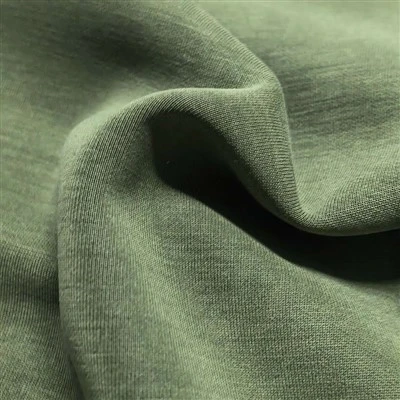
If you’re a brand owner, small business, or retailer looking to make the switch to bamboo fabric, we can help. We offer bulk rolls in multiple weights, custom dyeing, and even small minimums for new brands. No hoops to jump through, no hidden fees—just high-quality bamboo fabric that’s perfect for your products. Hit us up to chat about your needs, and we can get you samples and a quote right away.
Linen Fabric References
- OEKO-TEX Standard 100 Certification for Bamboo Fibers, 2024
- Textile Institute: “Comparison of Moisture Absorption in Cellulosic Fibers”, 2022
- Journal of Cleaner Production: “Environmental Impact of Bamboo vs. Rayon Production”, 2023
- International Journal of Clothing Science and Technology: “Durability of Pure Bamboo vs. Rayon After Repeated Washing”, 2021
- World Wildlife Fund: “Microfiber Shedding in Textiles and Marine Ecosystems”, 2023
Shaoxing Valu Textile Co., Ltd.
Shaoxing Valu Textile Co., Ltd. is one of the most professional bamboo fabric manufacturers and suppliers in China. We have world-leading production equipment and strong manufacturing capabilities. Please feel free to wholesale bulk high quality bamboo fabric made in China here from our factory. Also, custom service is available.
Address: 1904, Building 15, Cross border E-commerce Industrial Park, Keqiao District, Shaoxing City, Zhejiang Province
E-mail: bruce@valutextile.com
WebSite: https://www.valutextile.com/
